




.jpg)

.png)
.png)

.png)


.png)

.png)

.jpg)

.jpg)
.png)
.jpeg)


.jpg)
.jpg)


Interior design trends move quickly, but BTO homeowners in Singapore tend to make decisions based on long-term comfort rather than what looks good for a year. In 2026, the focus is shifting towards homes that are easier to maintain, flexible enough to adapt to life changes, and comfortable for everyday living.
Instead of bold or flashy concepts, many homeowners are choosing layouts, colours, and materials that age well. Below are the key BTO renovation trends and HDB design ideas for 2026 that are shaping new homes across Singapore.
Cool grey interiors dominated Singapore homes for years, but many homeowners now find them cold and uninviting, especially in compact BTO layouts where natural light may be limited.
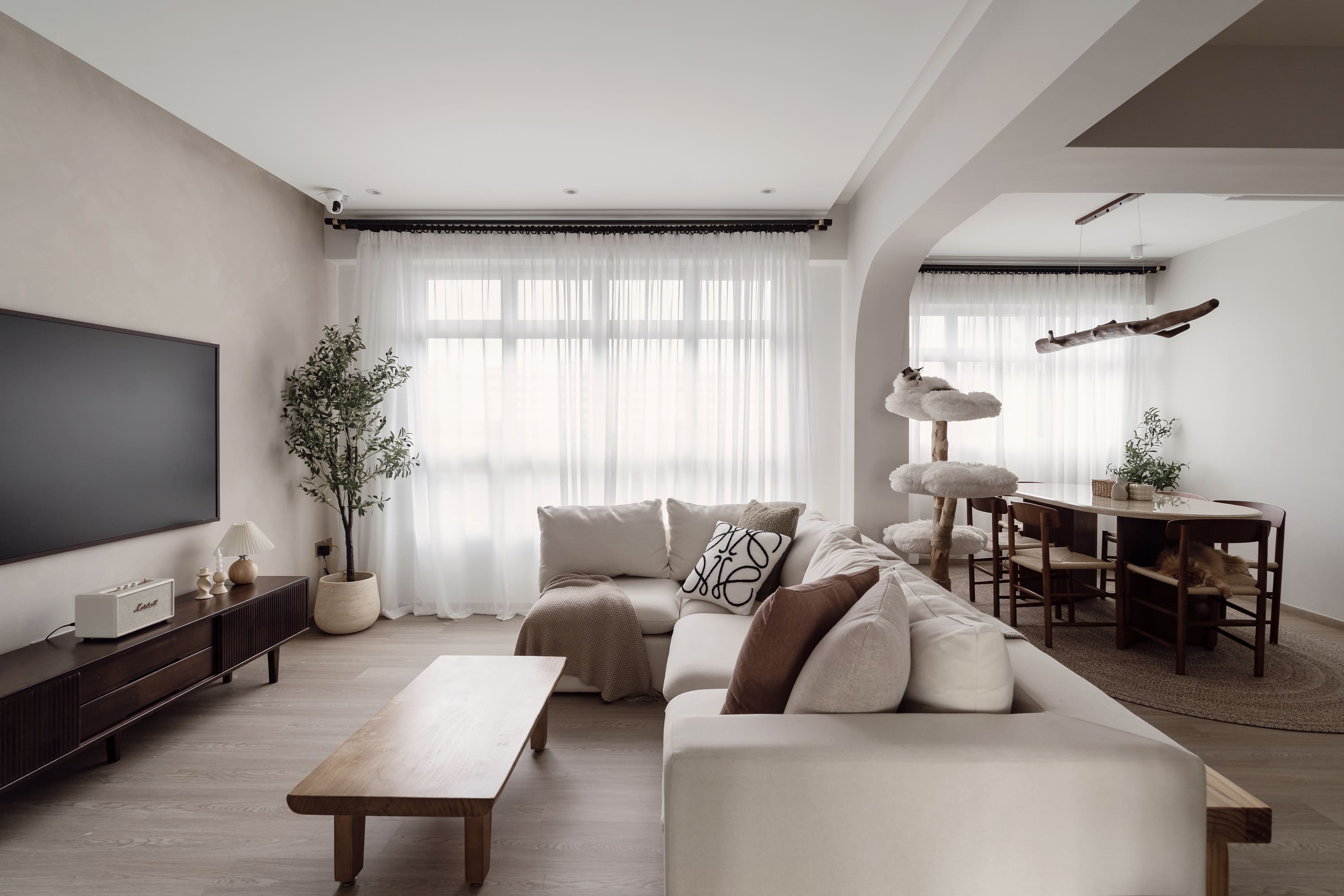
In 2026, warm neutrals such as beige, sand, taupe, and soft clay tones are becoming the preferred base. These colours create a softer backdrop that feels more welcoming and works better with warm lighting.

- Warm neutral palettes help compact spaces feel more comfortable and less clinical. They also reflect light more gently, which makes rooms feel less harsh, especially in flats that do not get full-day sunlight.
- Another advantage is versatility. These colours are easier to match with furniture, curtains, and decor over time. As trends change, homeowners can update soft furnishings without needing to repaint the entire home.
- Because they are timeless rather than trendy, warm neutrals tend to age better. This makes them suitable for living rooms, bedrooms, and even kitchens, where homeowners want a calm and consistent look.
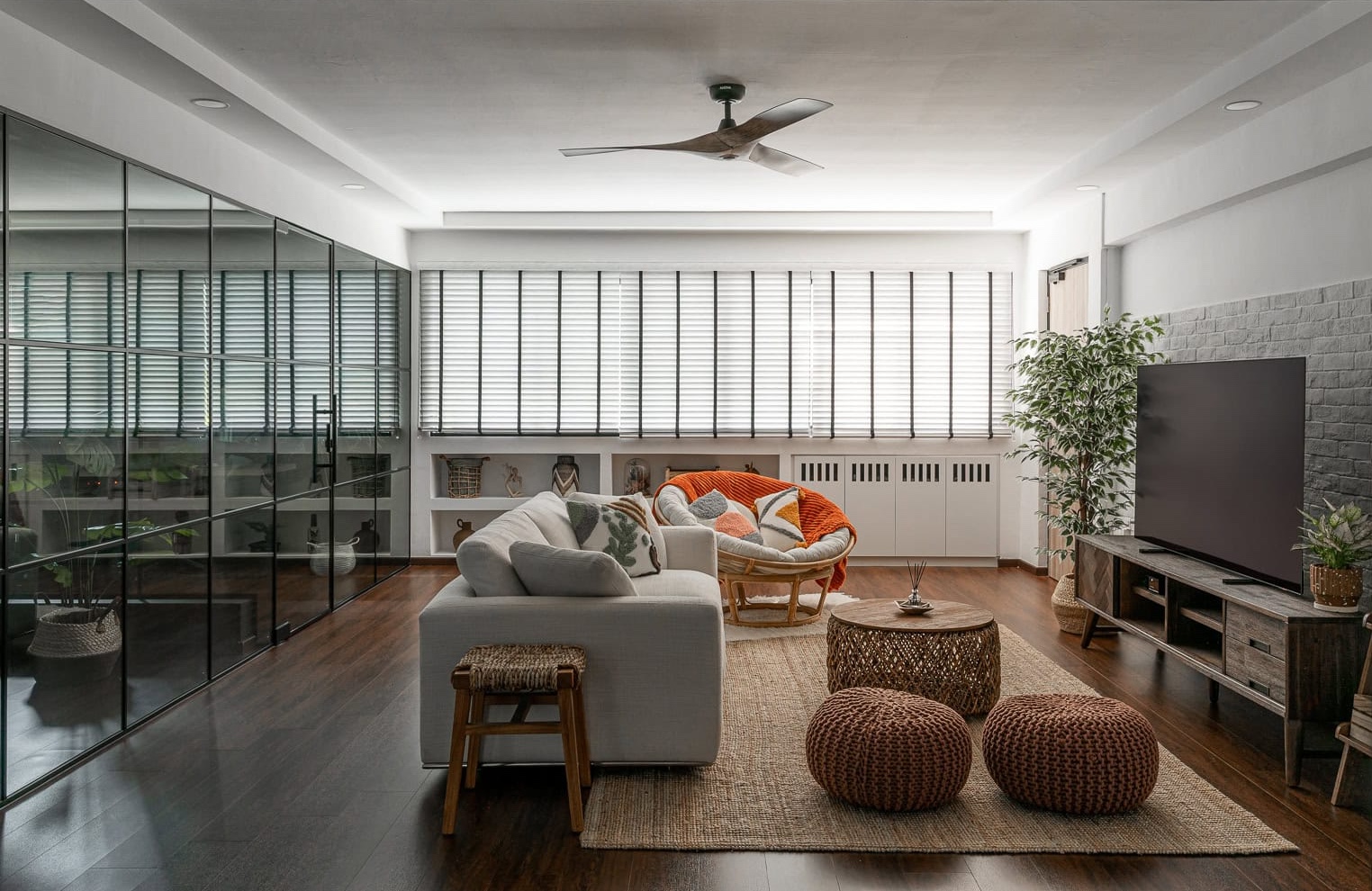
Japandi remains one of the most popular HDB renovation styles in Singapore, but the look is evolving. Homes are moving away from overly minimal, almost showroom-like spaces.
In 2026, Japandi interiors are becoming more relaxed and practical. The focus is still on simplicity, but with added warmth and comfort.

- Texture plays a bigger role, with homeowners incorporating fabric, wood grain, and subtle finishes to avoid flat-looking spaces. This makes the home feel more lived-in rather than purely aesthetic.
- Lighting is also softer. Instead of bright white lights, warmer tones are used to create a more calming atmosphere, especially in living and bedroom areas.
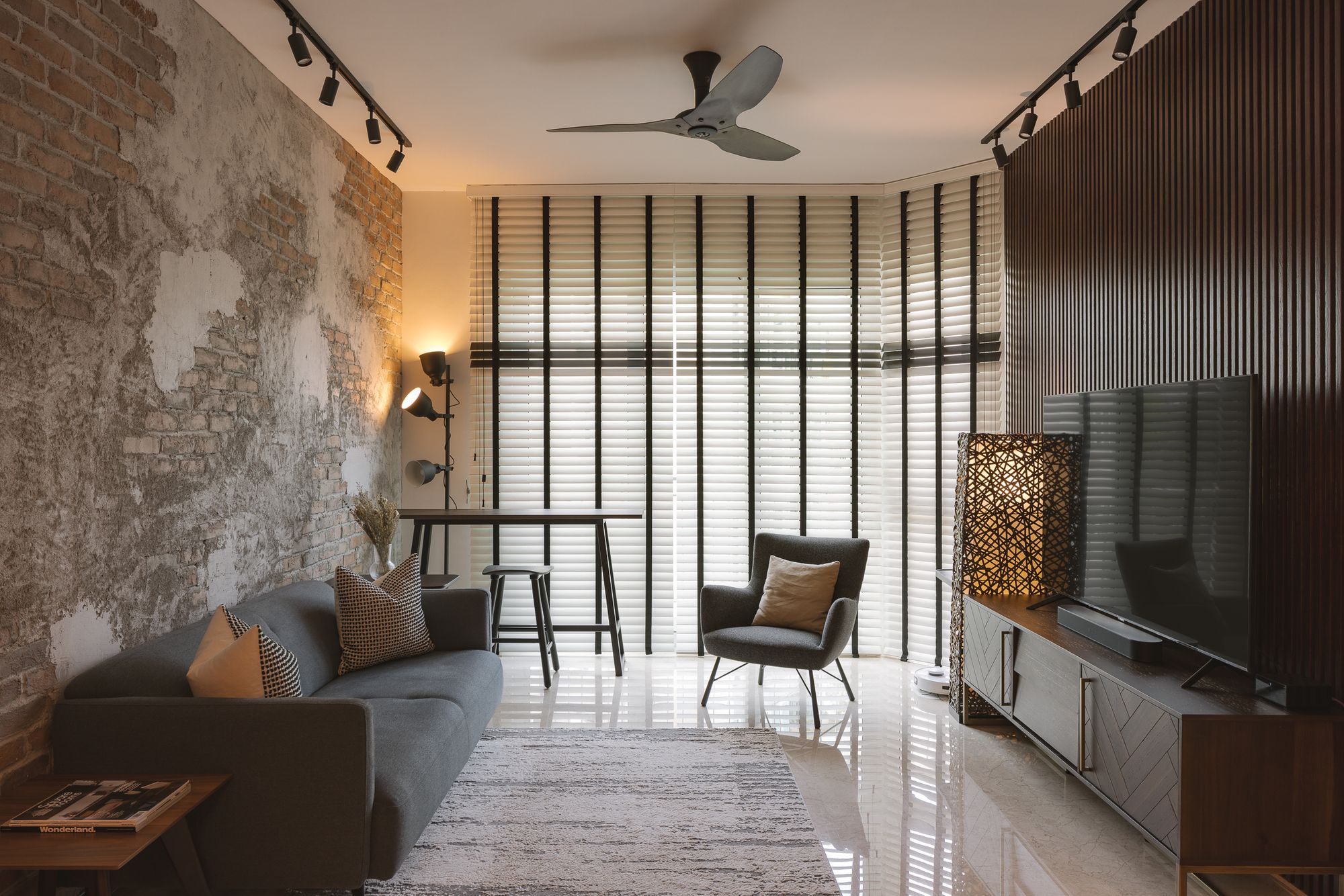
- Wood tones are slightly darker compared to earlier Japandi trends. This adds visual depth and helps spaces feel grounded rather than stark.
Storage remains a top priority for BTO homeowners, but bulky and visually heavy carpentry is losing favour. Many homeowners now seek functional storage solutions that do not dominate the space.
In 2026, renovation ideas focus on built-ins that blend into the home rather than stand out.
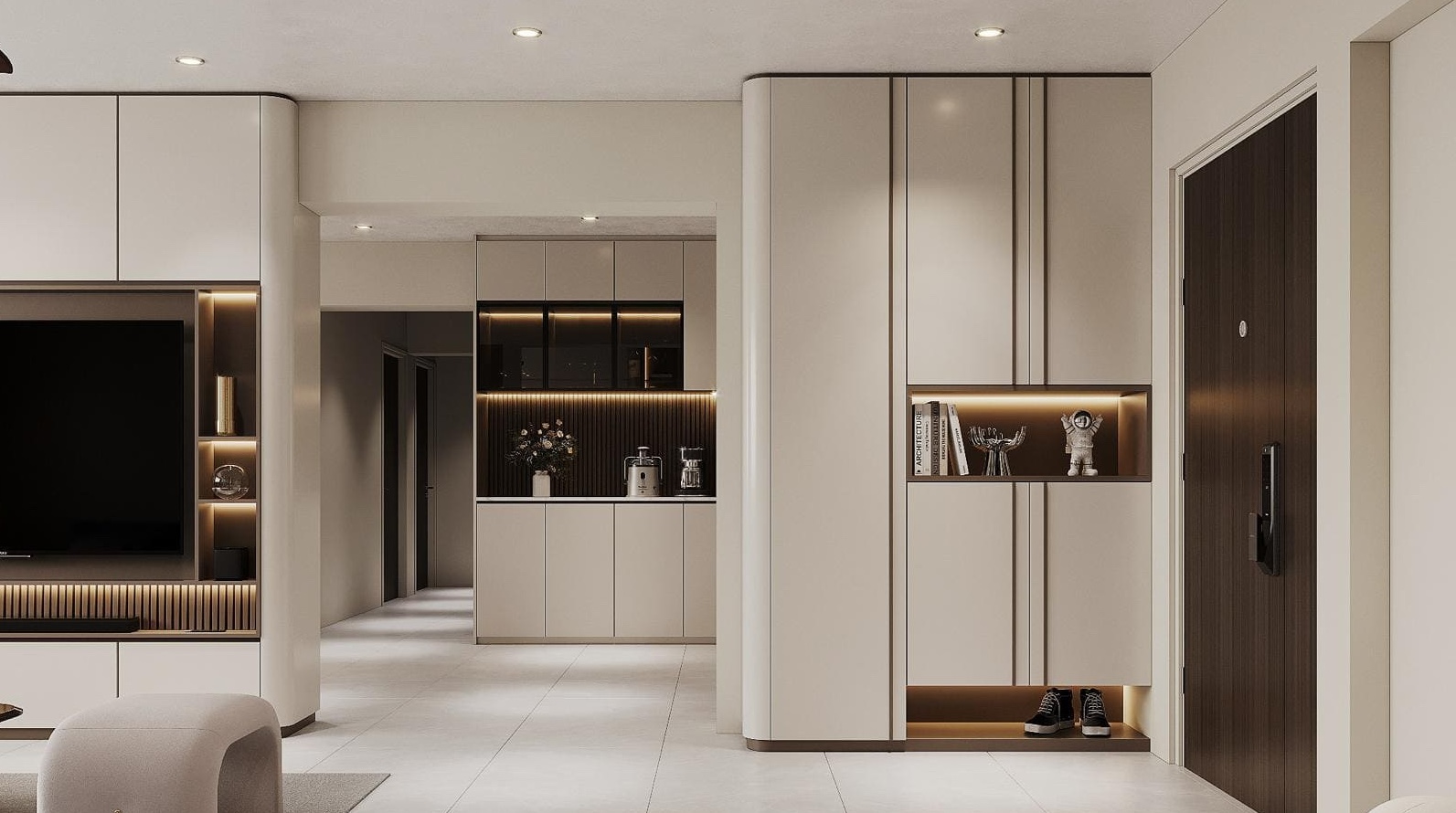
- Full-height cabinets finished in colours that match the walls help storage fade into the background. This makes rooms feel more open and less cluttered.
- Fluted or panelled finishes are also popular because they break up large surfaces and reduce visual heaviness. Instead of looking flat and boxy, storage feels more intentional.
- Concealed handles and push-open systems help maintain a clean look. This is especially useful in smaller BTOs where visual simplicity makes a noticeable difference.
Sharp corners and rigid layouts are slowly giving way to softer shapes. Rather than committing to bold curves everywhere, homeowners are introducing rounded details in small, controlled ways. This approach adds softness without overwhelming the space or complicating the renovation.
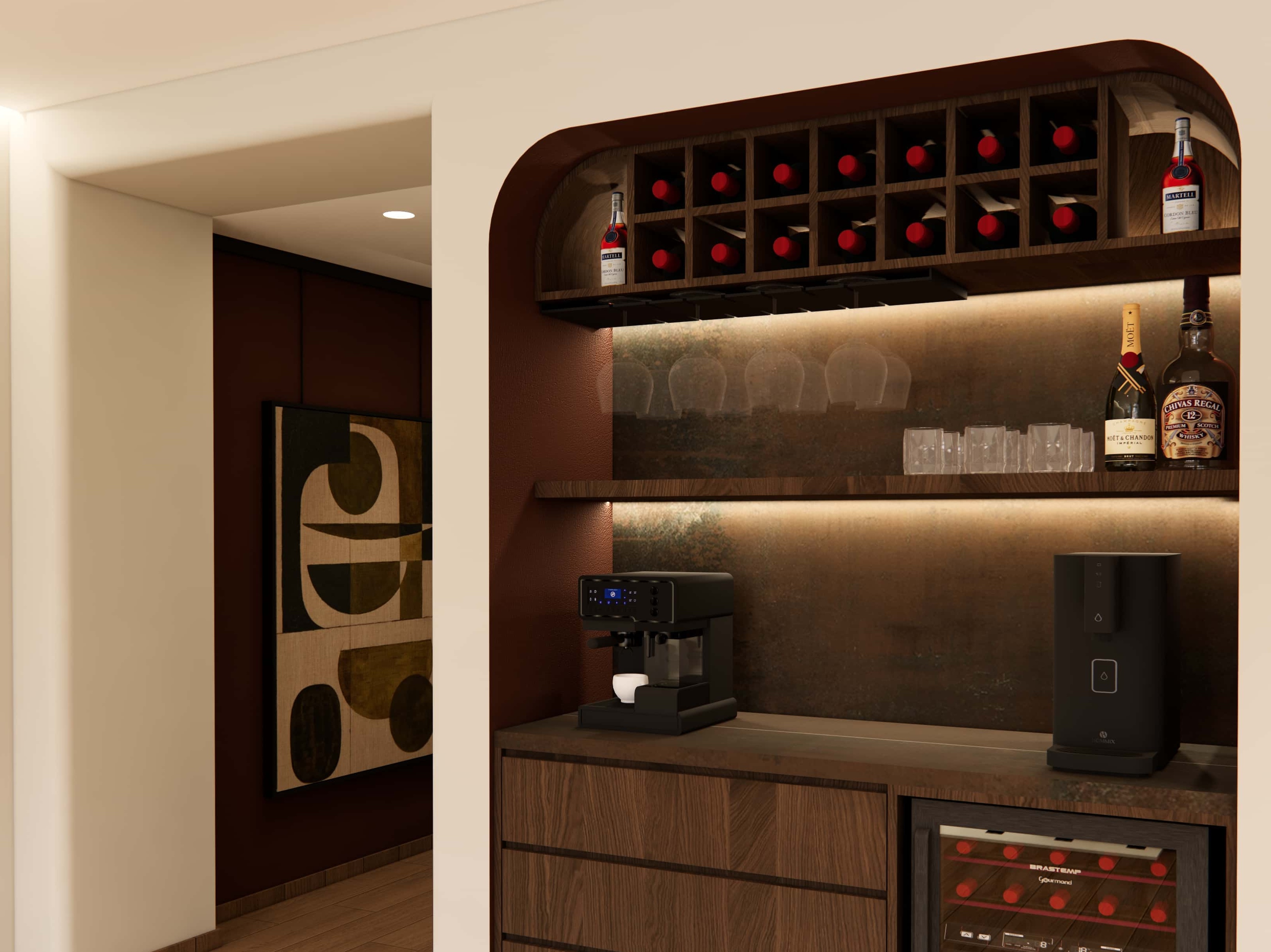
- Arched niches and doorways are becoming popular feature elements. They add visual interest while still being practical.
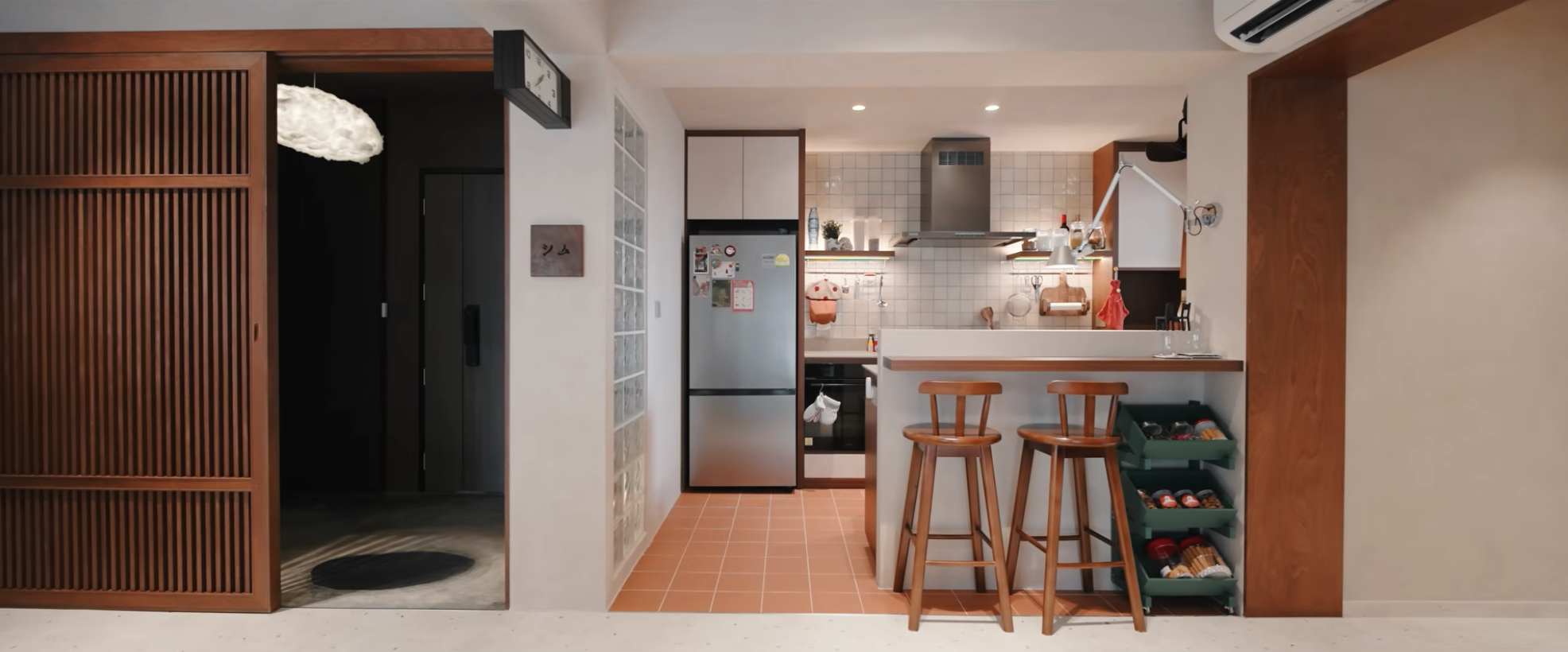
- Rounded kitchen islands help soften the overall kitchen layout and improve movement flow, especially in open-plan spaces.
- Curved shelves or feature walls introduce gentle lines that contrast nicely with straight cabinetry, creating a more balanced interior.
Lighting is no longer treated as purely functional. In 2026, it plays a major role in shaping mood and how space is perceived.
Many HDB interior trends in Singapore now prioritise layered lighting instead of relying on a single ceiling light.

- Cove lighting in living rooms and bedrooms creates a softer ambience and reduces harsh shadows. It also helps visually enlarge smaller spaces.
- Warm temperature lighting is preferred over cool white, especially in resting areas. This makes the home feel more comfortable at night.
- Feature pendant lights over dining tables are used to define zones and add personality without excessive decoration.
Open kitchens remain popular, but homeowners are becoming more realistic about their cooking habits. Functionality is taking priority over purely aesthetic layouts.
In 2026, kitchens are designed to balance openness with practicality.
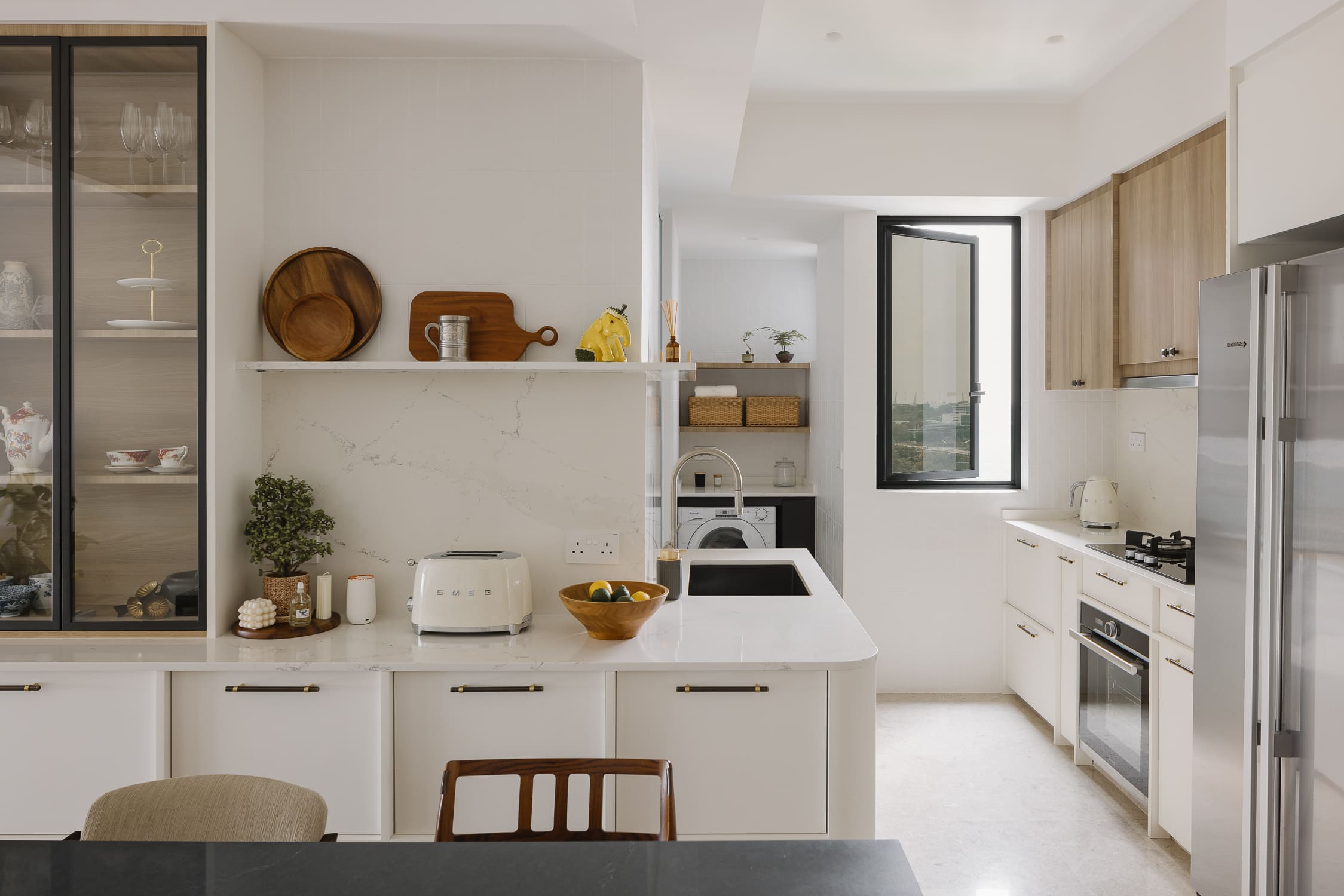
- Half-open kitchens with glass panels allow light to pass through while containing cooking smells. This is a practical compromise for frequent cooks.
- Durable countertop materials are chosen over delicate finishes that stain or scratch easily. Homeowners are prioritising longevity.
- Drawer storage is replacing overhead cabinets in many kitchens. Drawers are easier to access and help keep countertops clutter-free.
Instead of loud wallpapers or dramatic colour blocks, subtle textures are becoming the new feature.
These finishes add depth and interest without overpowering the room.
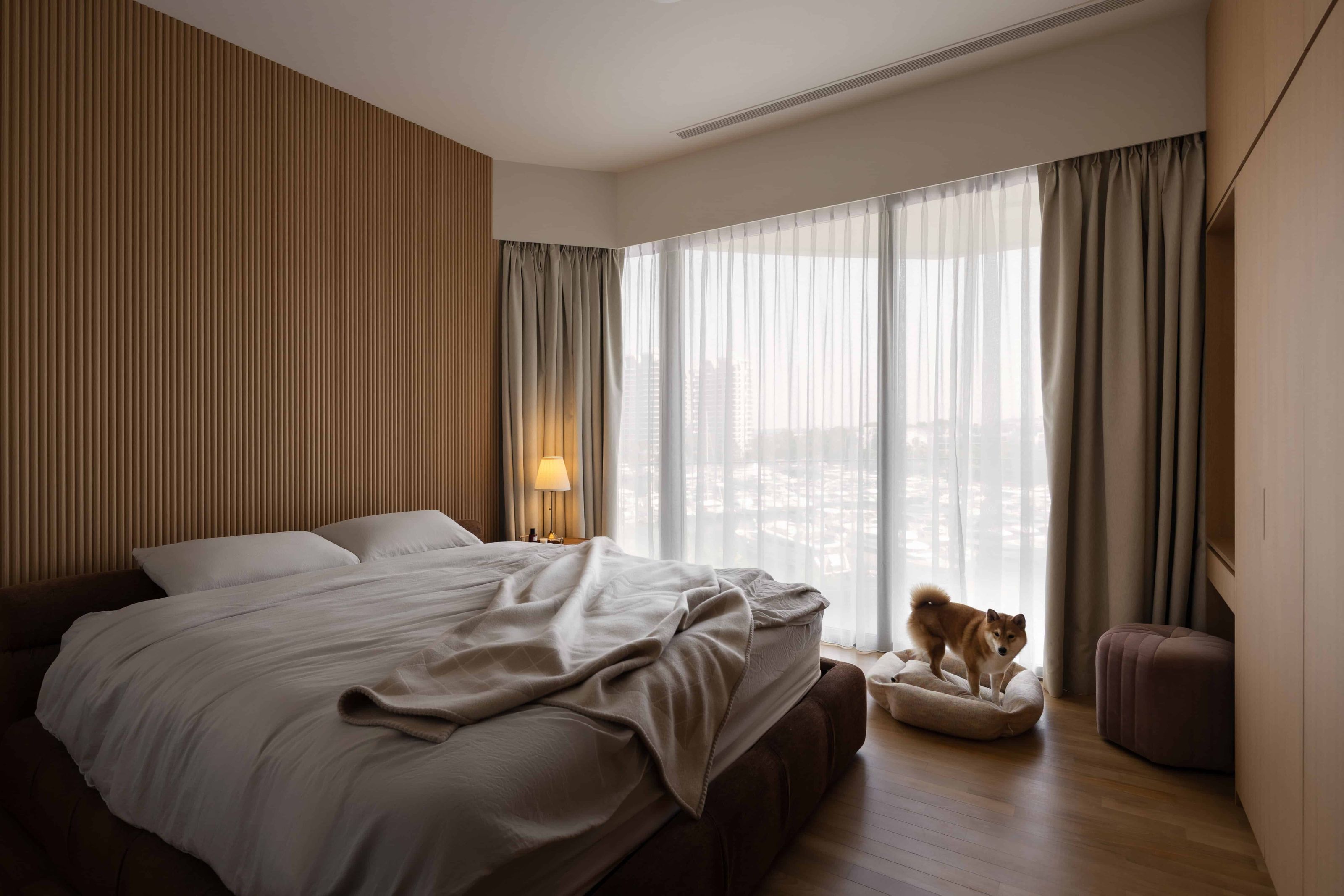
- Limewash-style paint creates gentle variation in colour, adding character without being distracting.
- Microcement finishes offer a clean, modern look that works well in minimalist homes.
- Fluted or grooved wall panels introduce texture while maintaining a neutral palette. These treatments are commonly used in living rooms and master bedrooms.
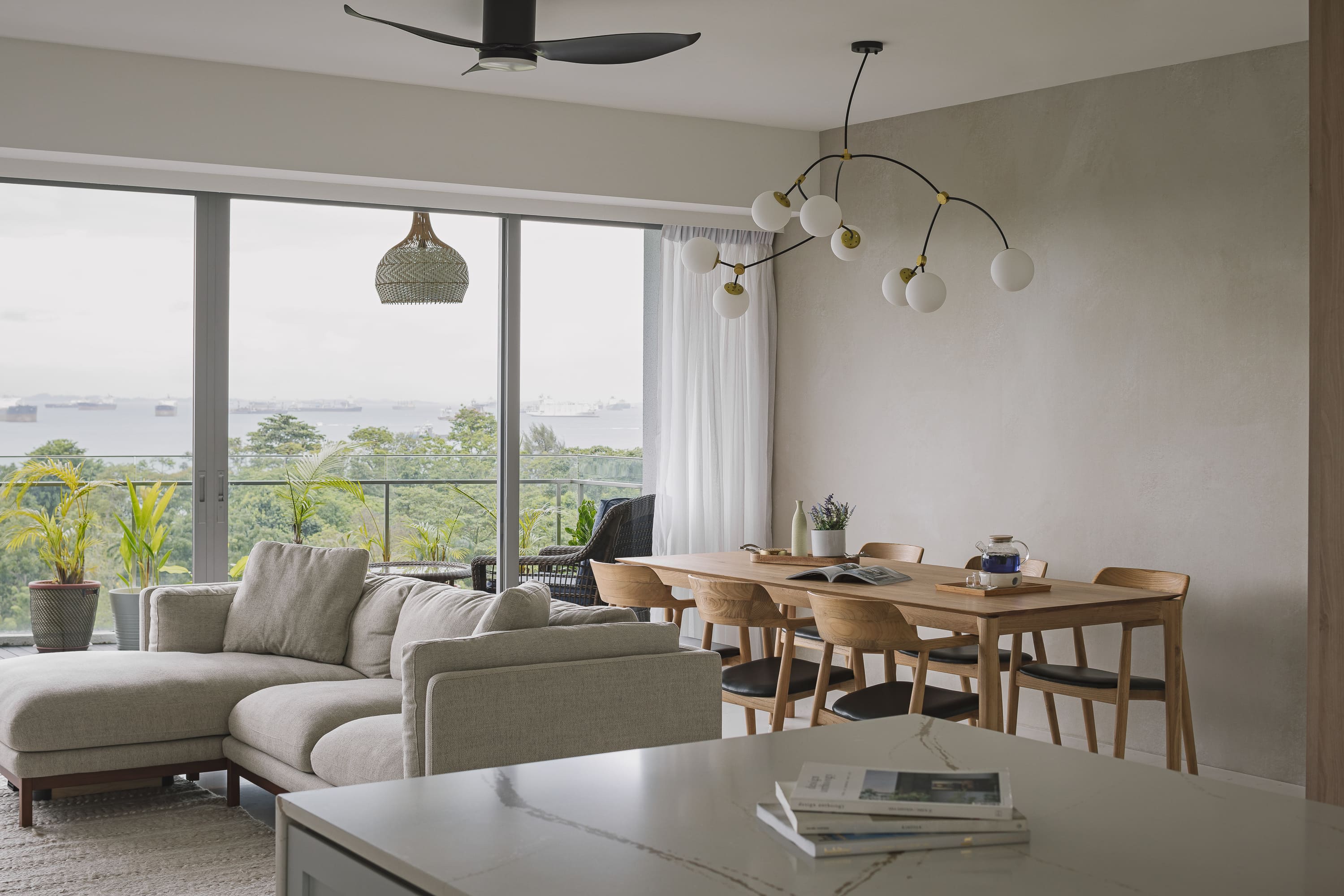
- Study areas are planned to be converted into bedrooms if needed. This is especially relevant for growing families.
- Loose furniture is favoured over fixed partitions, allowing layouts to change without renovation work.
- Neutral base designs make it easier to update the home with new furniture or decor over time. This keeps the home feeling current without major changes.
Interior design trends move quickly, but BTO homeowners in Singapore tend to make decisions based on long-term comfort rather than what looks good for a year. In 2026, the focus is shifting towards homes that are easier to maintain, flexible enough to adapt to life changes, and comfortable for everyday living.
Instead of bold or flashy concepts, many homeowners are choosing layouts, colours, and materials that age well. Below are the key BTO renovation trends and HDB design ideas for 2026 that are shaping new homes across Singapore.
Cool grey interiors dominated Singapore homes for years, but many homeowners now find them cold and uninviting, especially in compact BTO layouts where natural light may be limited.
In 2026, warm neutrals such as beige, sand, taupe, and soft clay tones are becoming the preferred base. These colours create a softer backdrop that feels more welcoming and works better with warm lighting.
- Warm neutral palettes help compact spaces feel more comfortable and less clinical. They also reflect light more gently, which makes rooms feel less harsh, especially in flats that do not get full-day sunlight.
- Another advantage is versatility. These colours are easier to match with furniture, curtains, and decor over time. As trends change, homeowners can update soft furnishings without needing to repaint the entire home.
- Because they are timeless rather than trendy, warm neutrals tend to age better. This makes them suitable for living rooms, bedrooms, and even kitchens, where homeowners want a calm and consistent look.
Japandi remains one of the most popular HDB renovation styles in Singapore, but the look is evolving. Homes are moving away from overly minimal, almost showroom-like spaces.
In 2026, Japandi interiors are becoming more relaxed and practical. The focus is still on simplicity, but with added warmth and comfort.
- Texture plays a bigger role, with homeowners incorporating fabric, wood grain, and subtle finishes to avoid flat-looking spaces. This makes the home feel more lived-in rather than purely aesthetic.
- Lighting is also softer. Instead of bright white lights, warmer tones are used to create a more calming atmosphere, especially in living and bedroom areas.
- Wood tones are slightly darker compared to earlier Japandi trends. This adds visual depth and helps spaces feel grounded rather than stark.
Storage remains a top priority for BTO homeowners, but bulky and visually heavy carpentry is losing favour. Many homeowners now seek functional storage solutions that do not dominate the space.
In 2026, renovation ideas focus on built-ins that blend into the home rather than stand out.
- Full-height cabinets finished in colours that match the walls help storage fade into the background. This makes rooms feel more open and less cluttered.
- Fluted or panelled finishes are also popular because they break up large surfaces and reduce visual heaviness. Instead of looking flat and boxy, storage feels more intentional.
- Concealed handles and push-open systems help maintain a clean look. This is especially useful in smaller BTOs where visual simplicity makes a noticeable difference.
Sharp corners and rigid layouts are slowly giving way to softer shapes. Rather than committing to bold curves everywhere, homeowners are introducing rounded details in small, controlled ways. This approach adds softness without overwhelming the space or complicating the renovation.
- Arched niches and doorways are becoming popular feature elements. They add visual interest while still being practical.
- Rounded kitchen islands help soften the overall kitchen layout and improve movement flow, especially in open-plan spaces.
- Curved shelves or feature walls introduce gentle lines that contrast nicely with straight cabinetry, creating a more balanced interior.
Lighting is no longer treated as purely functional. In 2026, it plays a major role in shaping mood and how space is perceived.
Many HDB interior trends in Singapore now prioritise layered lighting instead of relying on a single ceiling light.
- Cove lighting in living rooms and bedrooms creates a softer ambience and reduces harsh shadows. It also helps visually enlarge smaller spaces.
- Warm temperature lighting is preferred over cool white, especially in resting areas. This makes the home feel more comfortable at night.
- Feature pendant lights over dining tables are used to define zones and add personality without excessive decoration.
Open kitchens remain popular, but homeowners are becoming more realistic about their cooking habits. Functionality is taking priority over purely aesthetic layouts.
In 2026, kitchens are designed to balance openness with practicality.
- Half-open kitchens with glass panels allow light to pass through while containing cooking smells. This is a practical compromise for frequent cooks.
- Durable countertop materials are chosen over delicate finishes that stain or scratch easily. Homeowners are prioritising longevity.
- Drawer storage is replacing overhead cabinets in many kitchens. Drawers are easier to access and help keep countertops clutter-free.
Instead of loud wallpapers or dramatic colour blocks, subtle textures are becoming the new feature.
These finishes add depth and interest without overpowering the room.
- Limewash-style paint creates gentle variation in colour, adding character without being distracting.
- Microcement finishes offer a clean, modern look that works well in minimalist homes.
- Fluted or grooved wall panels introduce texture while maintaining a neutral palette. These treatments are commonly used in living rooms and master bedrooms.
- Study areas are planned to be converted into bedrooms if needed. This is especially relevant for growing families.
- Loose furniture is favoured over fixed partitions, allowing layouts to change without renovation work.
- Neutral base designs make it easier to update the home with new furniture or decor over time. This keeps the home feeling current without major changes.
Find your perfect interior designer by filling out this form!
Connect Now


