




.jpg)

.png)
.png)

.png)


.png)

.png)

.jpg)

.jpg)
.png)
.jpeg)


.jpg)
.jpg)


Space planning is one of the biggest challenges BTO homeowners face in Singapore. Even well-designed layouts can start to feel tight once furniture, storage, and daily routines settle in. The key to maximising space is not aggressive decluttering or extreme minimalism. It is about making thoughtful renovation decisions that keep the home functioning smoothly over time.
This guide breaks down practical ways BTO homeowners can maximise space through layout planning, storage strategy, and design choices that actually work in real homes.
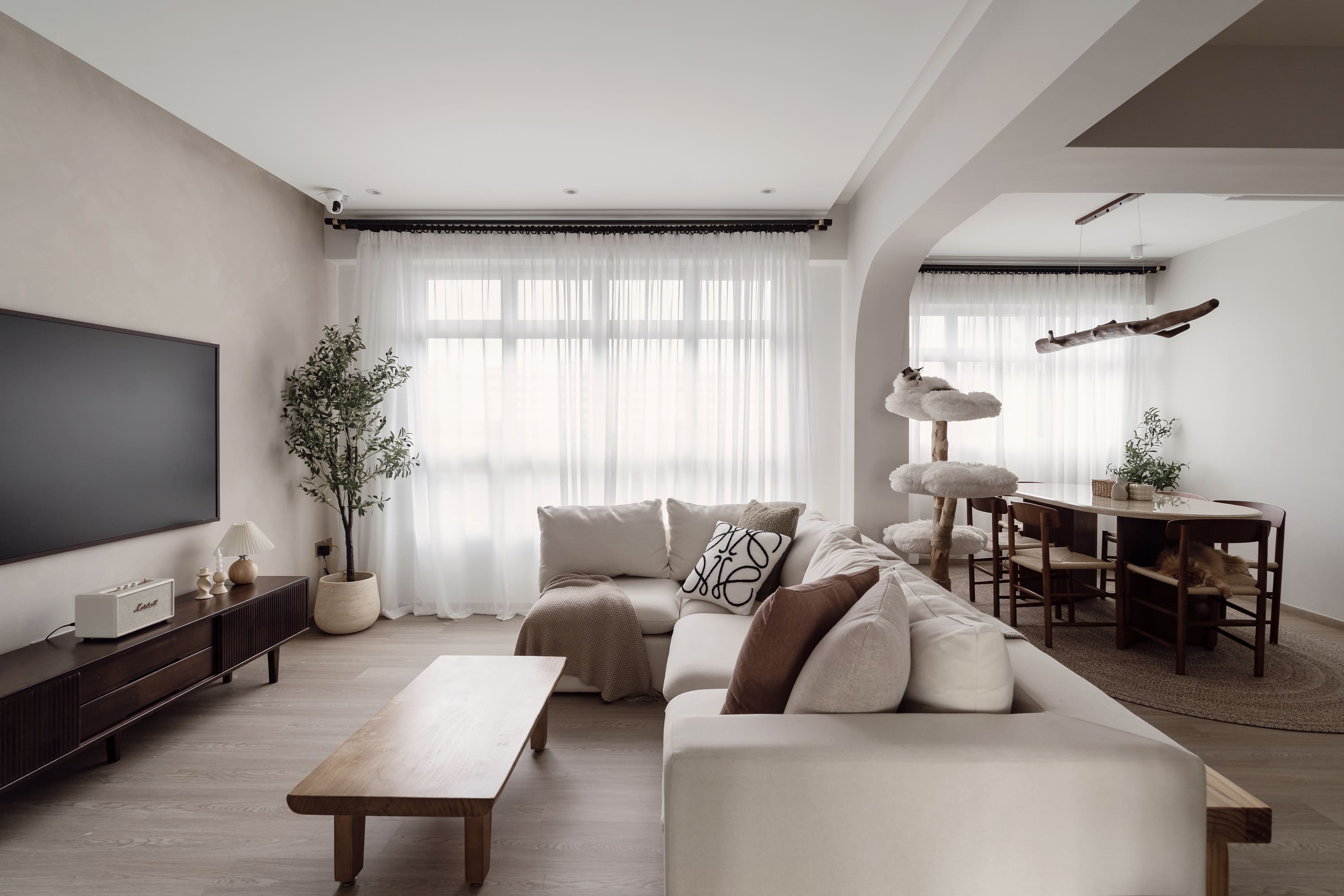
Before thinking about carpentry or furniture, it is important to understand how each area of the home will be used. A common mistake in BTO renovations is planning based on how the home should look, rather than how it will be lived in.
For example, a living room that is mainly used for relaxing in the evenings does not need excessive seating or display cabinets. On the other hand, a home where family members work from home may need flexible zones that can support both work and rest without crowding the space.
When layouts are planned around daily habits, unnecessary features are often eliminated naturally. This creates better circulation and makes rooms feel more open without changing the actual floor area.
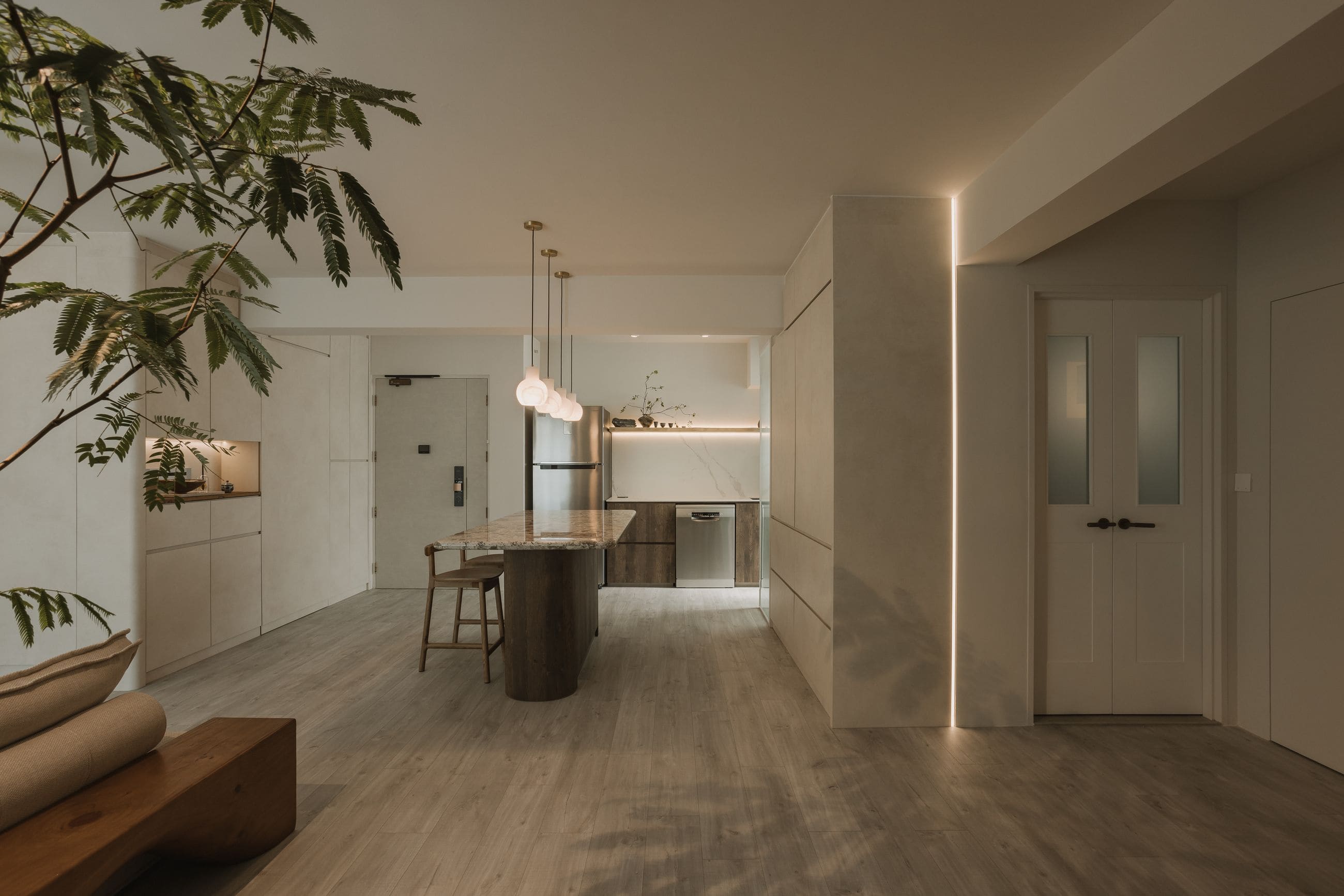
Storage is essential in BTO homes, but too much built-in carpentry can make a space feel enclosed. The goal is to concentrate storage where it is most effective, instead of spreading it everywhere.
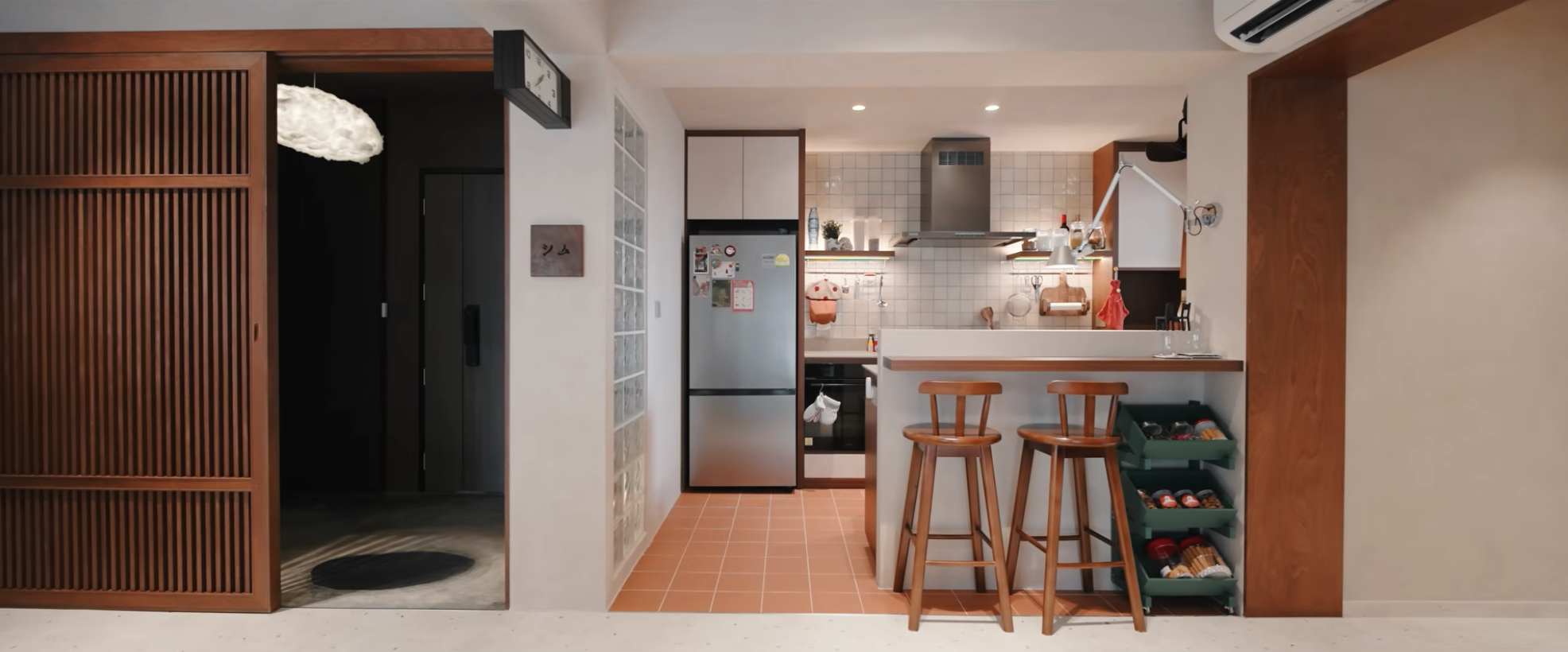
Full-height wardrobes work well in bedrooms, where vertical storage helps free up floor space. In kitchens, tall cabinets allow for efficient organisation without cluttering countertops. Entryway cabinets help keep shoes and daily items contained near the door.
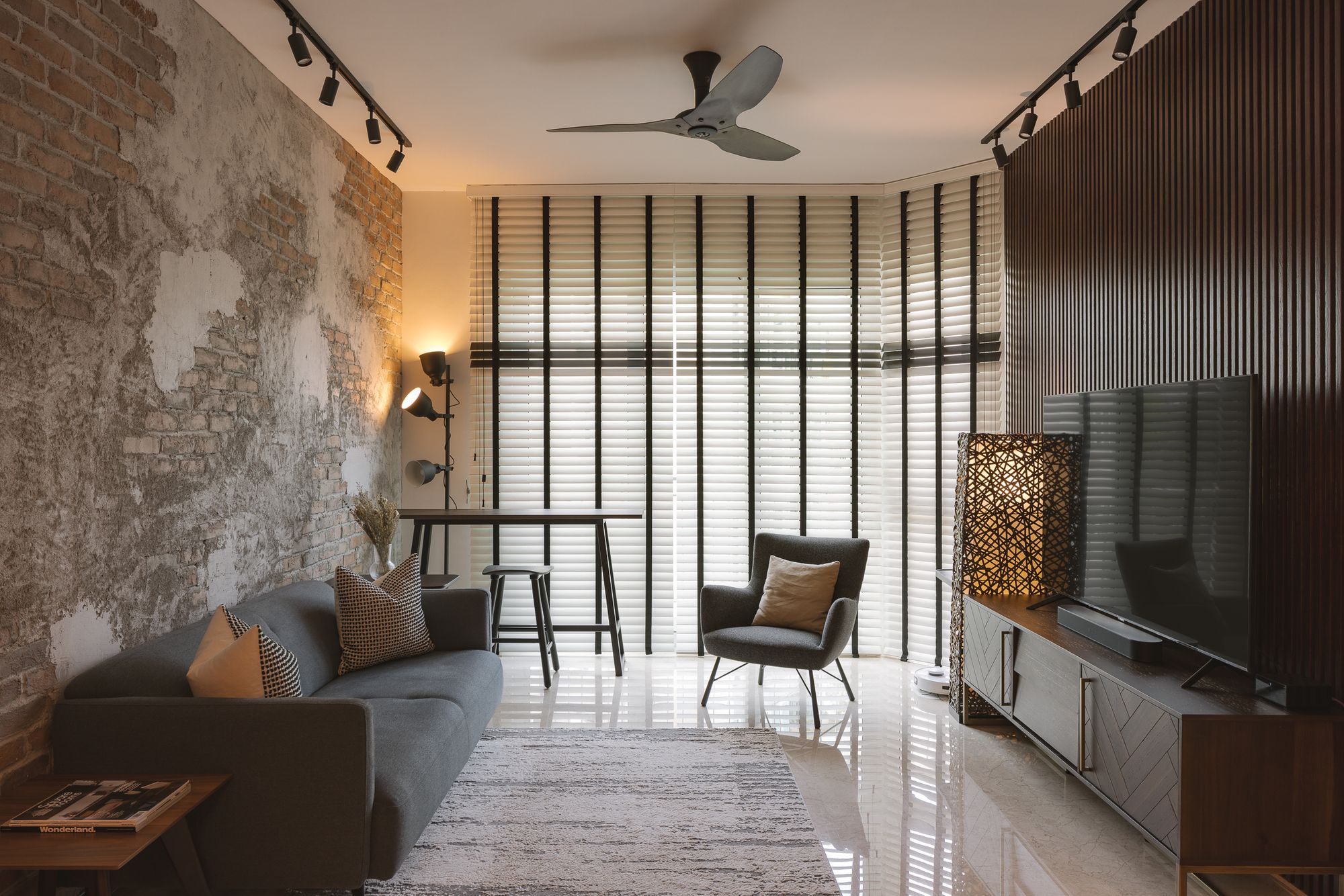
In contrast, overloading living rooms with tall cabinets or feature walls often reduces openness. Leaving some walls visually light helps the home breathe and prevents a boxed-in feeling.
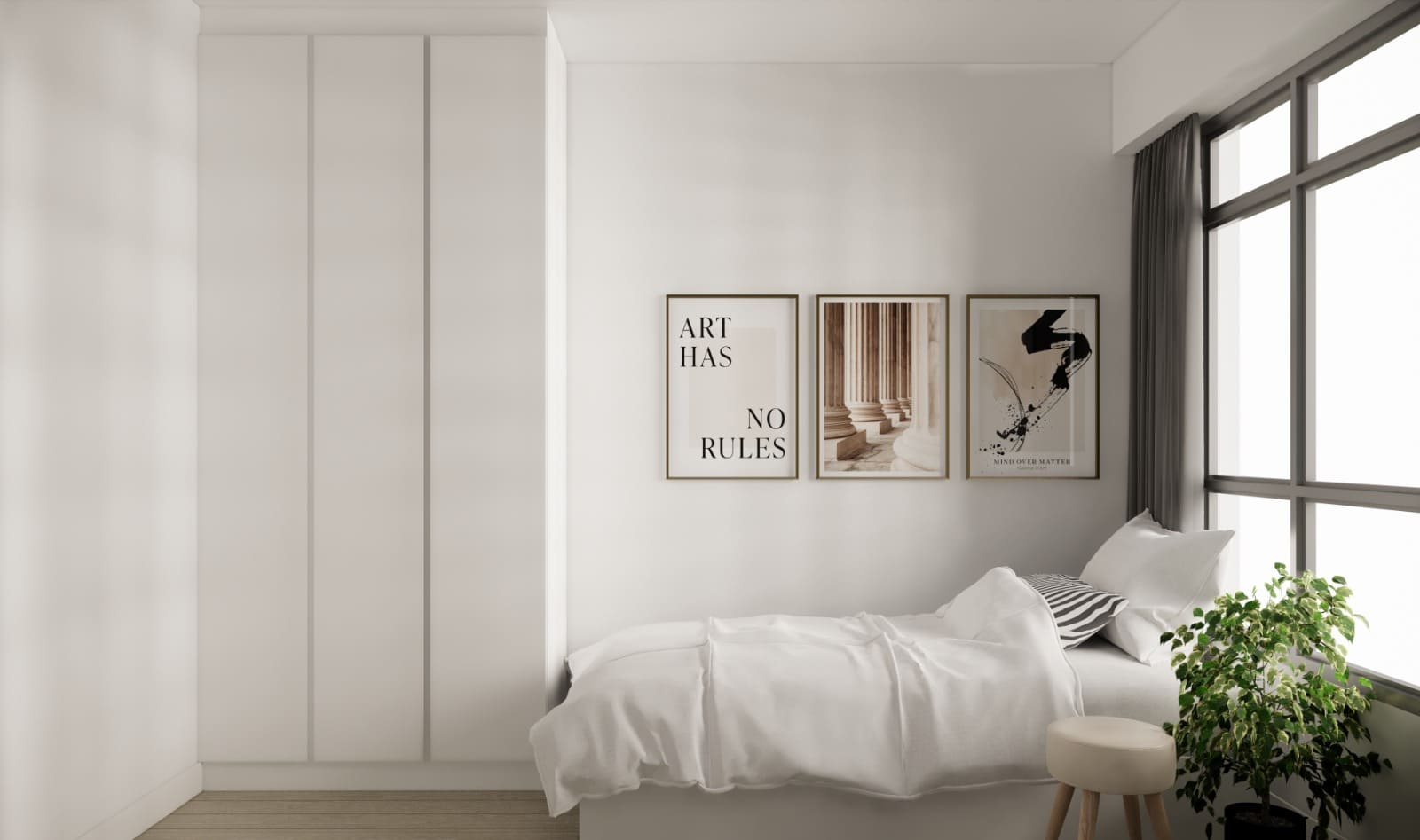
Furniture selection plays a major role in how spacious a BTO flat feels. Bulky or single-purpose furniture can quickly crowd a room, especially in smaller layouts.
Multi-functional furniture helps reduce the total number of items needed in the home. Storage beds eliminate the need for additional cabinets. Extendable dining tables adapt to different needs without permanently taking up space. Benches with hidden compartments offer seating and storage in one piece.
Choosing fewer but more purposeful furniture pieces improves movement between rooms and makes spaces feel more comfortable.
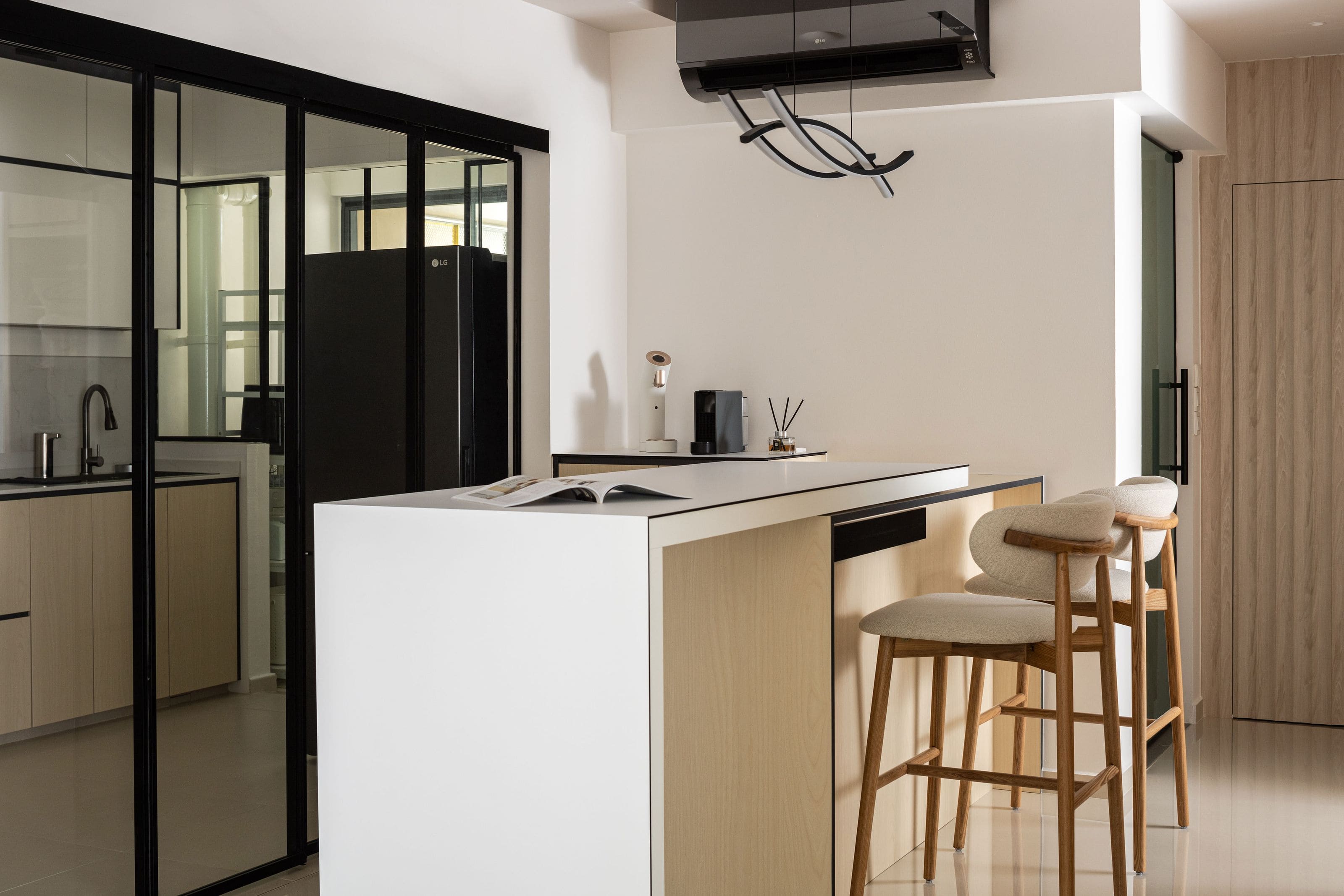
Natural light has a strong impact on how spacious a home feels. Blocking windows with tall furniture or solid partitions can make even a well-sized BTO flat feel smaller.
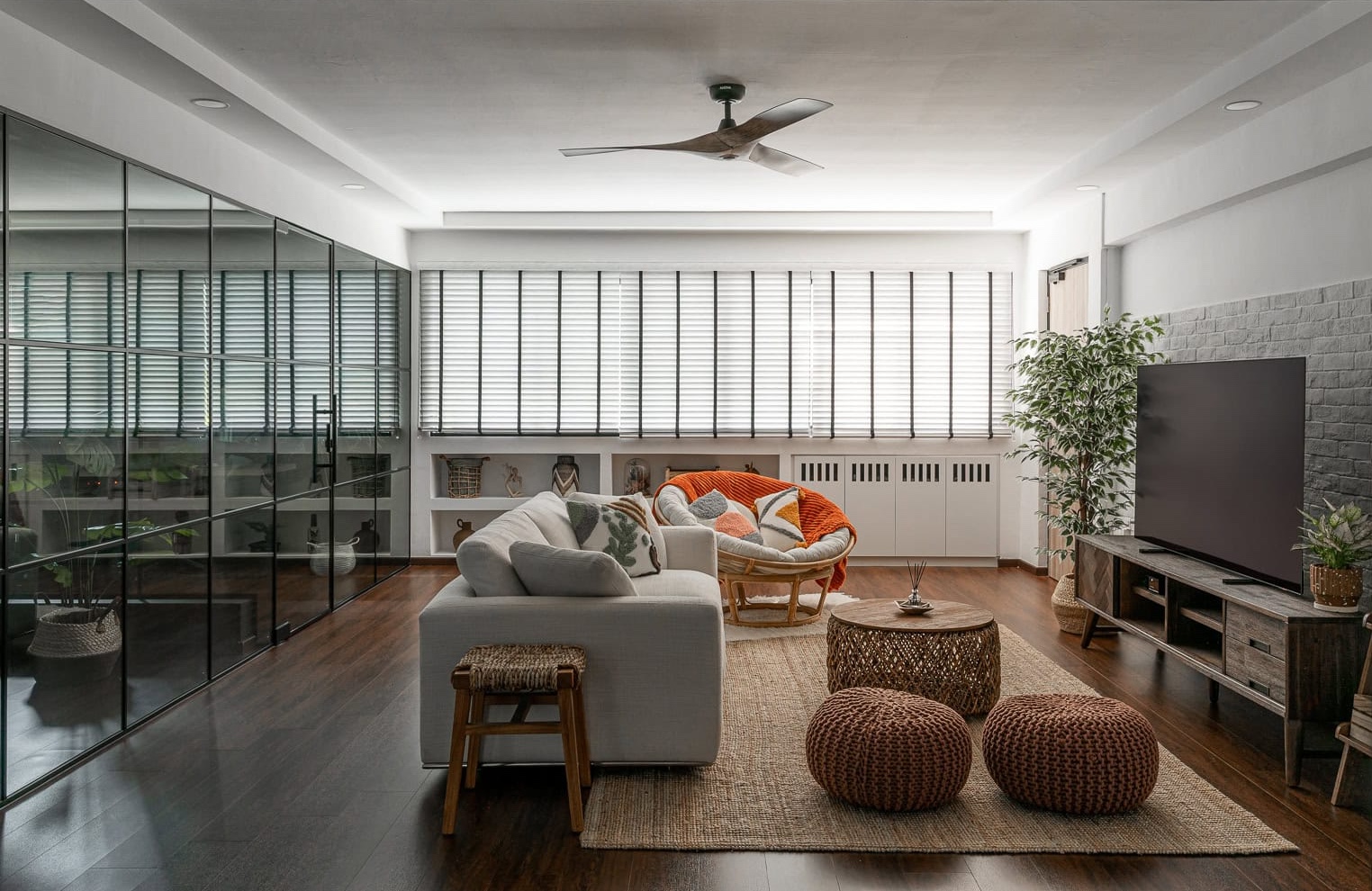
Where separation is needed, homeowners can consider glass or fluted partitions instead of solid walls. Open shelving near windows allows light to pass through while still providing storage. Lighter finishes in darker areas also help reflect light and reduce visual heaviness.
Maximising light flow often improves the sense of space more than adding or removing furniture.

Major layout changes are not always necessary to maximise space. In many BTO flats, retaining the original layout or making small adjustments leads to better results than aggressive hacking.
Open or semi-open layouts work best when there is a clear plan for furniture placement and storage. Removing a wall without rethinking the surrounding space can create awkward zones or reduce usable areas elsewhere.
Simple layouts with clear functions often feel more spacious and are easier to live with in the long run.

Decluttering helps improve space, but extreme minimalism is not practical for most households. The aim is not to remove everything, but to keep only what serves a purpose.
Items that are rarely used, duplicated, or purely decorative often take up valuable space without adding function. Well-planned storage allows homeowners to keep essentials without overcrowding rooms.
Homes that feel spacious are usually well-edited, not empty.
.jpg)
Visual clutter can make a space feel smaller even when it is not physically crowded. Too many colours, materials, or patterns can break visual flow.
Using a consistent palette across flooring, cabinetry, and walls creates continuity, which makes a BTO flat feel more cohesive and open. This does not mean everything must match exactly, but transitions should feel intentional rather than random.
Calmer visuals often translate to a more spacious feel.
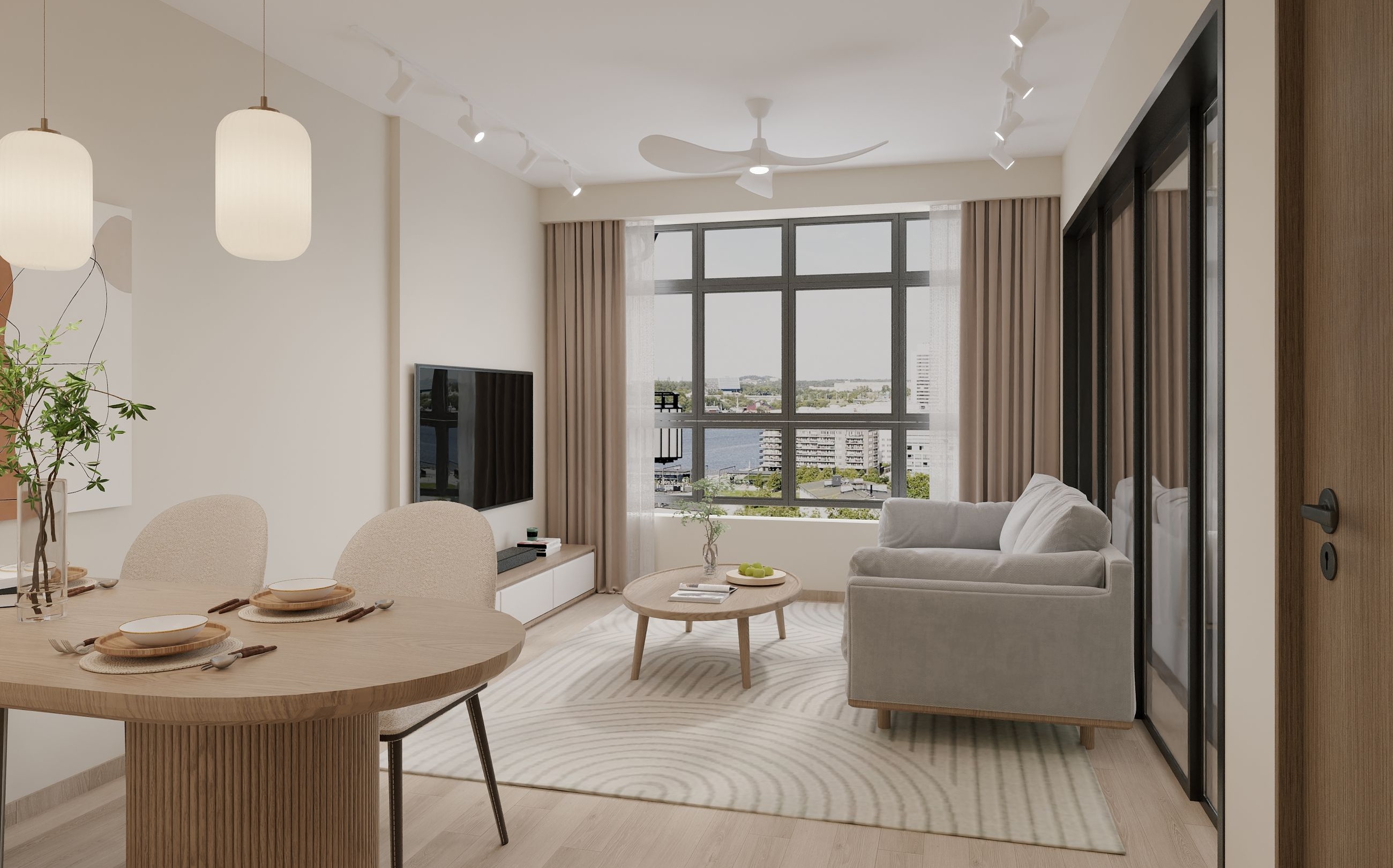
Many space issues arise because decisions are made too late in the renovation process. When homeowners rush, they often add storage or features reactively, which can clutter the layout.
Early planning allows space-saving ideas to be integrated into the design from the start. This reduces the need for last-minute additions that compromise openness and flow.
Good planning is often the most effective way to maximise space in a BTO flat.
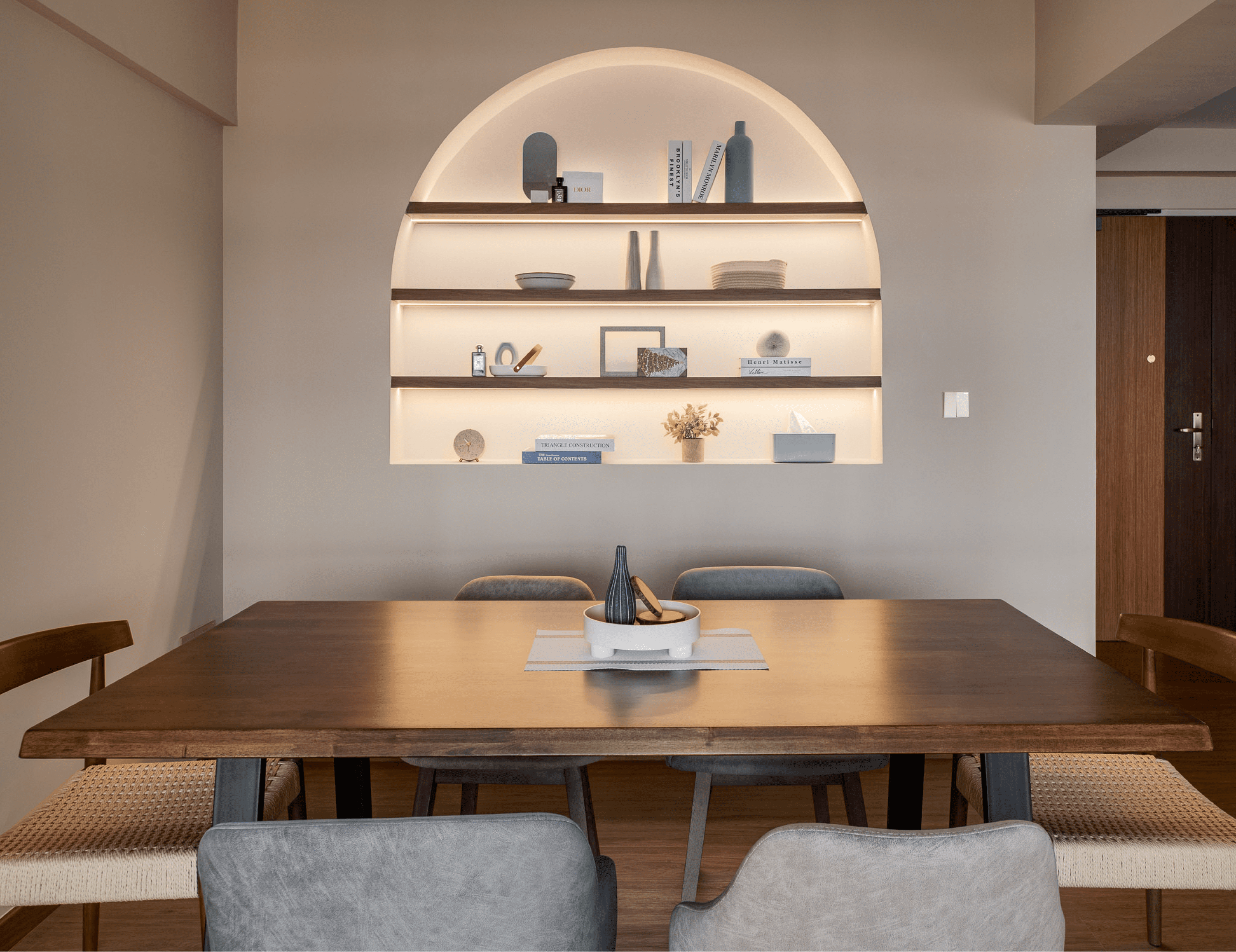
Maximising space in a BTO flat is about making intentional choices, not drastic sacrifices. Thoughtful layouts, practical storage, and well-chosen furniture often deliver better results than aggressive design changes.
When renovation decisions are guided by daily living needs, even compact BTO homes can feel open, comfortable, and easy to maintain. Working with the right interior designer can also help translate these ideas into a home that truly works.
With EZiD, homeowners are matched with interior designers who truly understand BTO constraints and smart space planning so you get it right the first time, without the frustration of re-sourcing, redoing and more importantly paying twice for the same mistakes.
Space planning is one of the biggest challenges BTO homeowners face in Singapore. Even well-designed layouts can start to feel tight once furniture, storage, and daily routines settle in. The key to maximising space is not aggressive decluttering or extreme minimalism. It is about making thoughtful renovation decisions that keep the home functioning smoothly over time.
This guide breaks down practical ways BTO homeowners can maximise space through layout planning, storage strategy, and design choices that actually work in real homes.
Before thinking about carpentry or furniture, it is important to understand how each area of the home will be used. A common mistake in BTO renovations is planning based on how the home should look, rather than how it will be lived in.
For example, a living room that is mainly used for relaxing in the evenings does not need excessive seating or display cabinets. On the other hand, a home where family members work from home may need flexible zones that can support both work and rest without crowding the space.
When layouts are planned around daily habits, unnecessary features are often eliminated naturally. This creates better circulation and makes rooms feel more open without changing the actual floor area.
Storage is essential in BTO homes, but too much built-in carpentry can make a space feel enclosed. The goal is to concentrate storage where it is most effective, instead of spreading it everywhere.
Full-height wardrobes work well in bedrooms, where vertical storage helps free up floor space. In kitchens, tall cabinets allow for efficient organisation without cluttering countertops. Entryway cabinets help keep shoes and daily items contained near the door.
In contrast, overloading living rooms with tall cabinets or feature walls often reduces openness. Leaving some walls visually light helps the home breathe and prevents a boxed-in feeling.
Furniture selection plays a major role in how spacious a BTO flat feels. Bulky or single-purpose furniture can quickly crowd a room, especially in smaller layouts.
Multi-functional furniture helps reduce the total number of items needed in the home. Storage beds eliminate the need for additional cabinets. Extendable dining tables adapt to different needs without permanently taking up space. Benches with hidden compartments offer seating and storage in one piece.
Choosing fewer but more purposeful furniture pieces improves movement between rooms and makes spaces feel more comfortable.
Natural light has a strong impact on how spacious a home feels. Blocking windows with tall furniture or solid partitions can make even a well-sized BTO flat feel smaller.
Where separation is needed, homeowners can consider glass or fluted partitions instead of solid walls. Open shelving near windows allows light to pass through while still providing storage. Lighter finishes in darker areas also help reflect light and reduce visual heaviness.
Maximising light flow often improves the sense of space more than adding or removing furniture.
Major layout changes are not always necessary to maximise space. In many BTO flats, retaining the original layout or making small adjustments leads to better results than aggressive hacking.
Open or semi-open layouts work best when there is a clear plan for furniture placement and storage. Removing a wall without rethinking the surrounding space can create awkward zones or reduce usable areas elsewhere.
Simple layouts with clear functions often feel more spacious and are easier to live with in the long run.
Decluttering helps improve space, but extreme minimalism is not practical for most households. The aim is not to remove everything, but to keep only what serves a purpose.
Items that are rarely used, duplicated, or purely decorative often take up valuable space without adding function. Well-planned storage allows homeowners to keep essentials without overcrowding rooms.
Homes that feel spacious are usually well-edited, not empty.
Visual clutter can make a space feel smaller even when it is not physically crowded. Too many colours, materials, or patterns can break visual flow.
Using a consistent palette across flooring, cabinetry, and walls creates continuity, which makes a BTO flat feel more cohesive and open. This does not mean everything must match exactly, but transitions should feel intentional rather than random.
Calmer visuals often translate to a more spacious feel.
Many space issues arise because decisions are made too late in the renovation process. When homeowners rush, they often add storage or features reactively, which can clutter the layout.
Early planning allows space-saving ideas to be integrated into the design from the start. This reduces the need for last-minute additions that compromise openness and flow.
Good planning is often the most effective way to maximise space in a BTO flat.
Maximising space in a BTO flat is about making intentional choices, not drastic sacrifices. Thoughtful layouts, practical storage, and well-chosen furniture often deliver better results than aggressive design changes.
When renovation decisions are guided by daily living needs, even compact BTO homes can feel open, comfortable, and easy to maintain. Working with the right interior designer can also help translate these ideas into a home that truly works.
With EZiD, homeowners are matched with interior designers who truly understand BTO constraints and smart space planning so you get it right the first time, without the frustration of re-sourcing, redoing and more importantly paying twice for the same mistakes.
Find your perfect interior designer by filling out this form!
Connect Now


