






.jpg)

.png)
.png)

.png)


.png)

.png)

.jpg)

.jpg)
.png)
.jpeg)


.jpg)
.jpg)


Renovating a home in Singapore isn’t something you figure out overnight. Whether you’re moving into a newly collected BTO or refreshing a resale flat, proper planning can be the difference between a smooth renovation and months of stress.
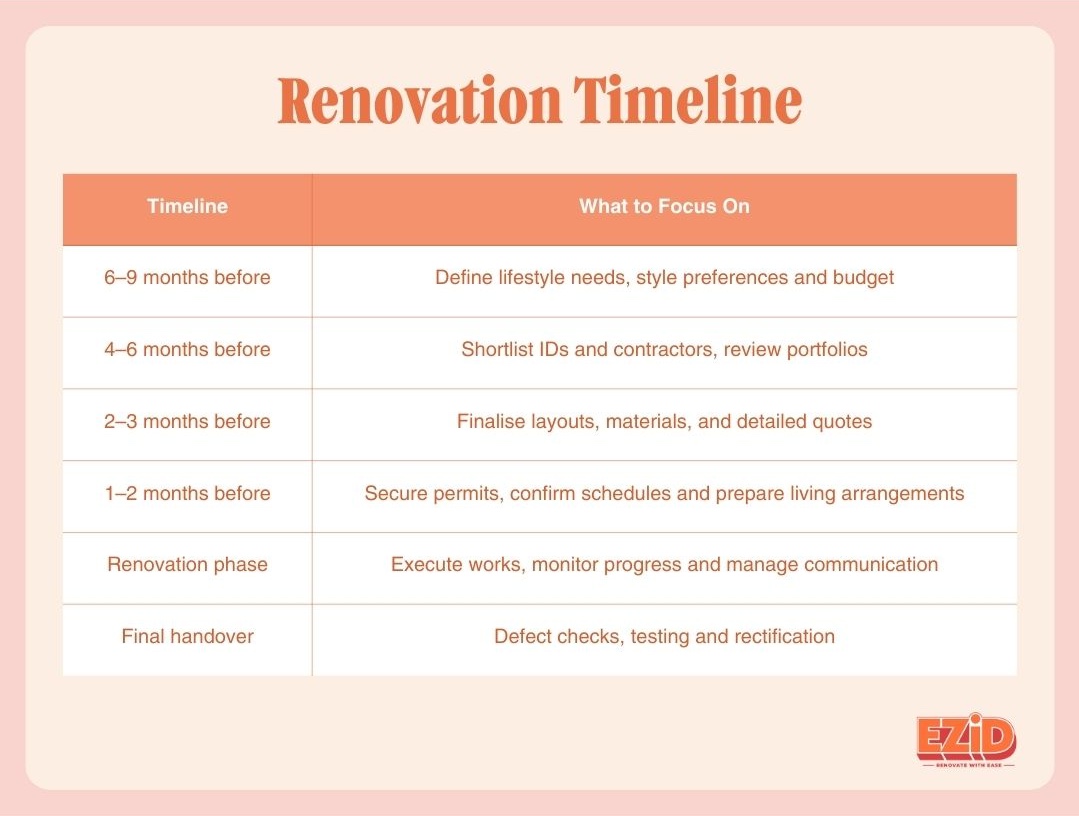
Understanding the renovation timeline in Singapore helps homeowners set realistic expectations, manage budgets, and avoid last-minute panic.
This is the stage where ideas start forming, but nothing needs to be locked in yet.
Before reaching out to any interior designer or contractor, homeowners should spend time thinking about how the home will actually be used. This goes beyond looks. Daily habits, storage needs, future plans, and the limits of the space all matter more than trends at this point.
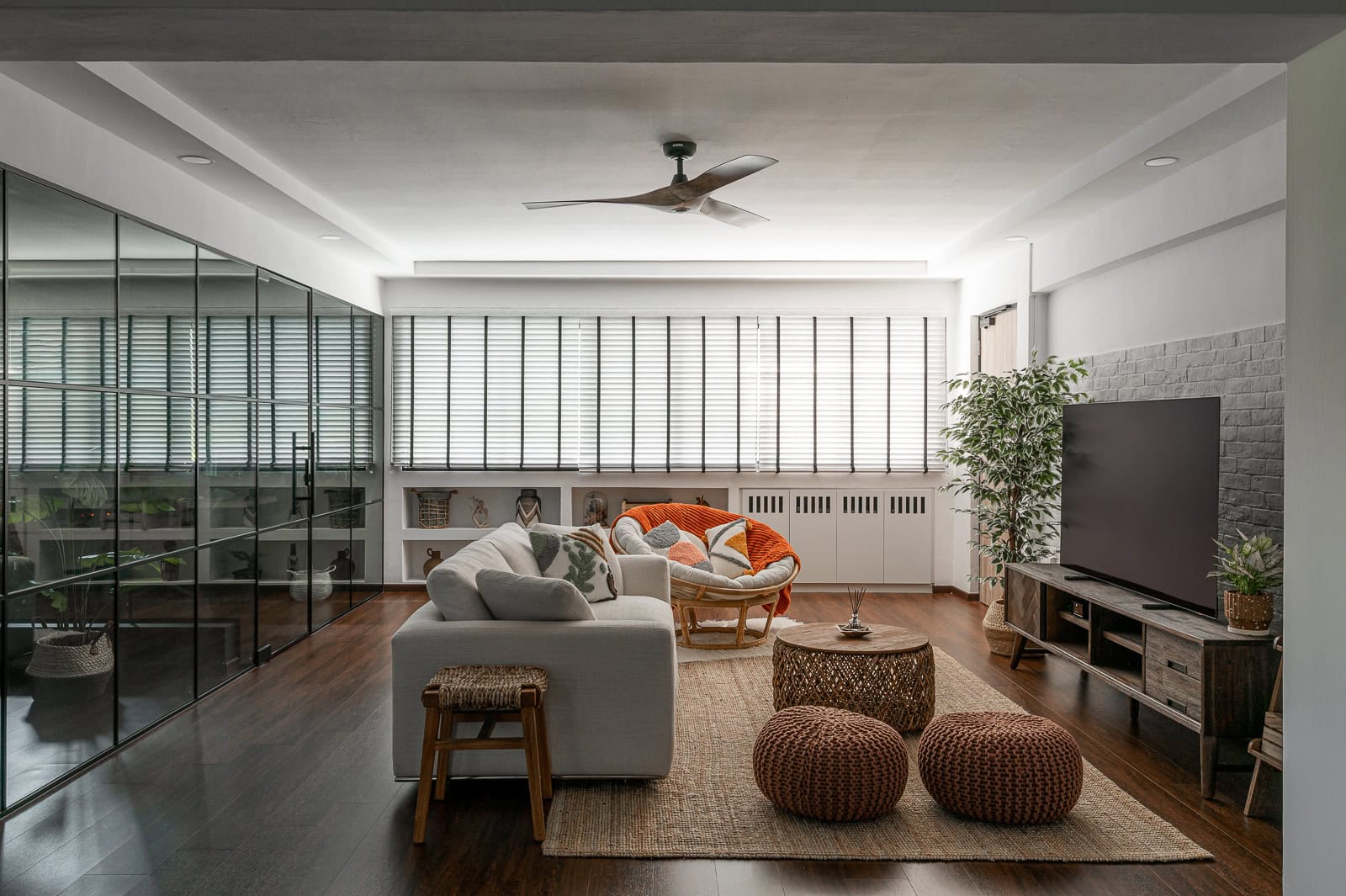
Lifestyle needs
Consider how you live today and how that might change. If you work from home, entertain often, or cook frequently, these habits should shape the layout from the start. Planning around real routines helps avoid regrets later.
Interior style direction
Browse inspiration platforms and look at real HDB homes to see what you are drawn to. You do not need a fixed style yet. Having a general direction helps designers understand your taste and prevents mixed ideas later.
Budget comfort zone
Set a realistic budget range early, including a buffer. This helps avoid designs that look good on paper but are not financially practical. A clear budget also makes early discussions more productive.
For BTO owners, this phase often starts before key collection. For resale homeowners, it usually begins after securing the Option to Purchase. Creating a simple mood board and listing must-have features at this stage makes the rest of the process smoother.
Once you have a clearer sense of direction, it is time to start speaking to professionals.
There is no need to rush into signing anything yet. This phase is about understanding the market and seeing who actually listens to your needs.
Speak to a few interior designers or contractors and pay attention to how they explain things. Beyond design and pricing, working style and communication matter more than many homeowners expect.
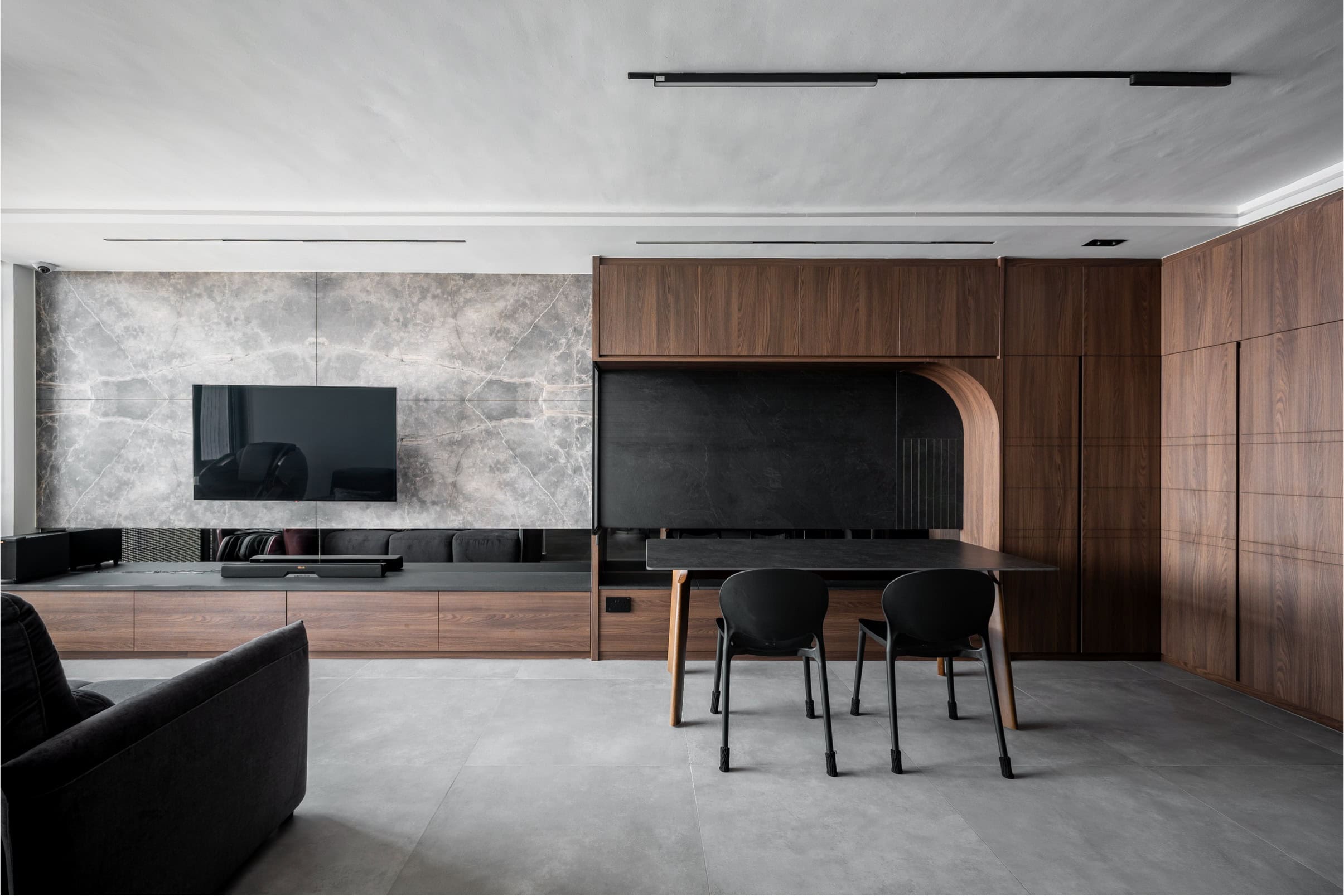
Portfolio relevance
Look at completed projects that are similar to your flat type and budget. This gives a realistic idea of what is achievable, instead of being distracted by show-flat designs that may not apply to your home.
Track record and credibility
Check that IDs and contractors are properly registered. Reviews from past homeowners are often more useful than a cheap quote. Saving money up front rarely feels worth it if problems arise later.
Early discussions and rough estimates
At this point, expect broad layouts and ballpark figures, not polished visuals. These conversations help align expectations before details are finalised.
If you are unsure where to begin or do not want to cold-message multiple IDs, EZiD.sg can help match you with designers based on your budget, flat type, and style preferences.
This is where planning turns into commitment.
Design concepts should now be refined into layouts that actually work. Homeowners should feel confident that the design fits both their needs and their budget before moving forward.
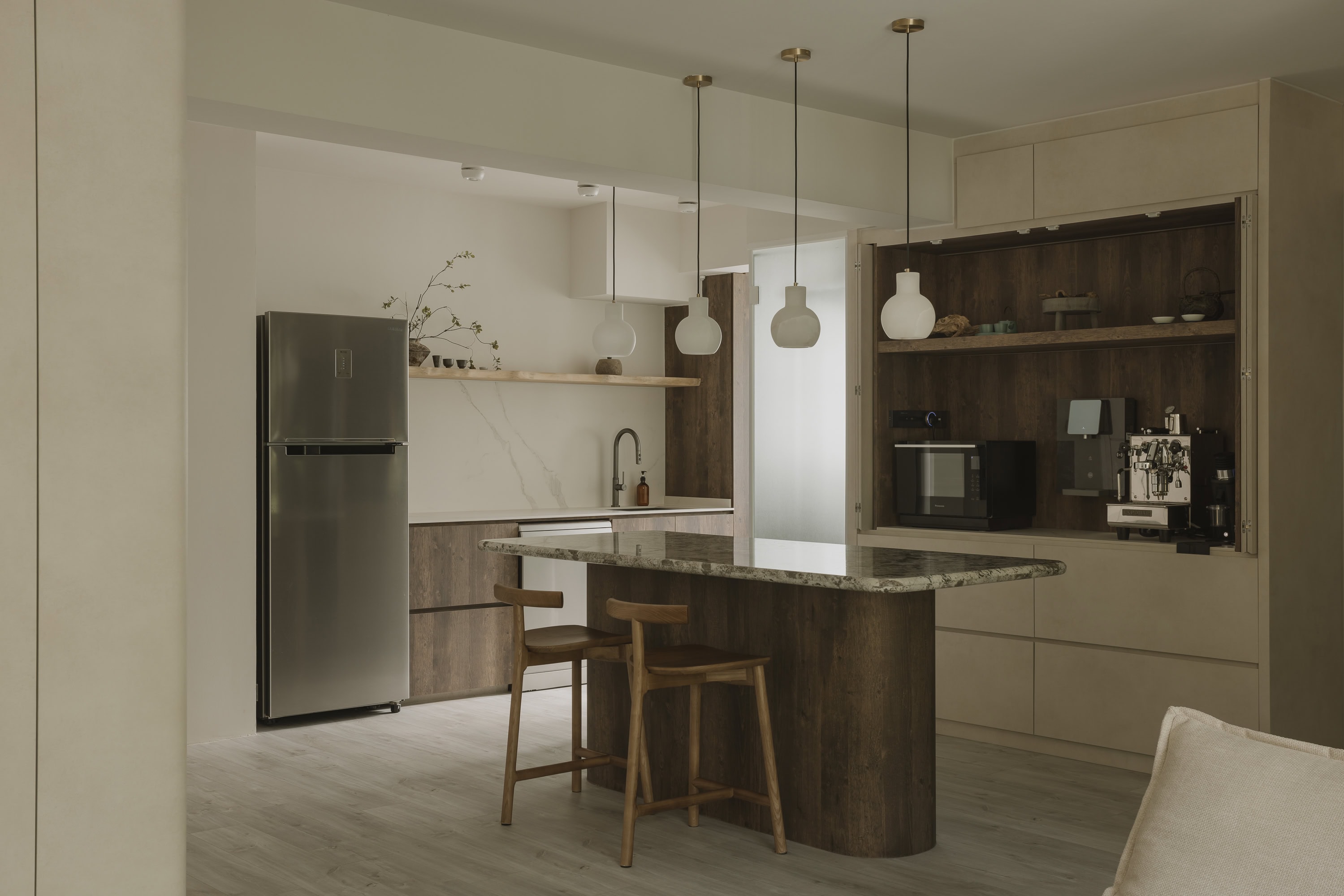
Locking in layouts and visuals
Final layouts should be reviewed carefully. This is the best time to spot awkward spaces, missing storage, or areas that may not function well day to day.
Confirming materials and finishes
Tiles, carpentry finishes, countertops, and fittings should be confirmed early. Late changes often lead to delays or additional costs.
Reviewing renovation quotes in detail
Go through the quotation line by line. Understand what is fixed, what is excluded, and which items are still estimates. This step is critical in avoiding hidden costs later.
It is also wise to set aside contingency funds at this stage. In resale flats especially, issues like uneven floors or old wiring may only surface once work begins.
As renovation approaches, administrative and logistical details become more important.
Most permit applications and coordination are handled by the renovation team, but homeowners should stay involved and ask questions where needed.
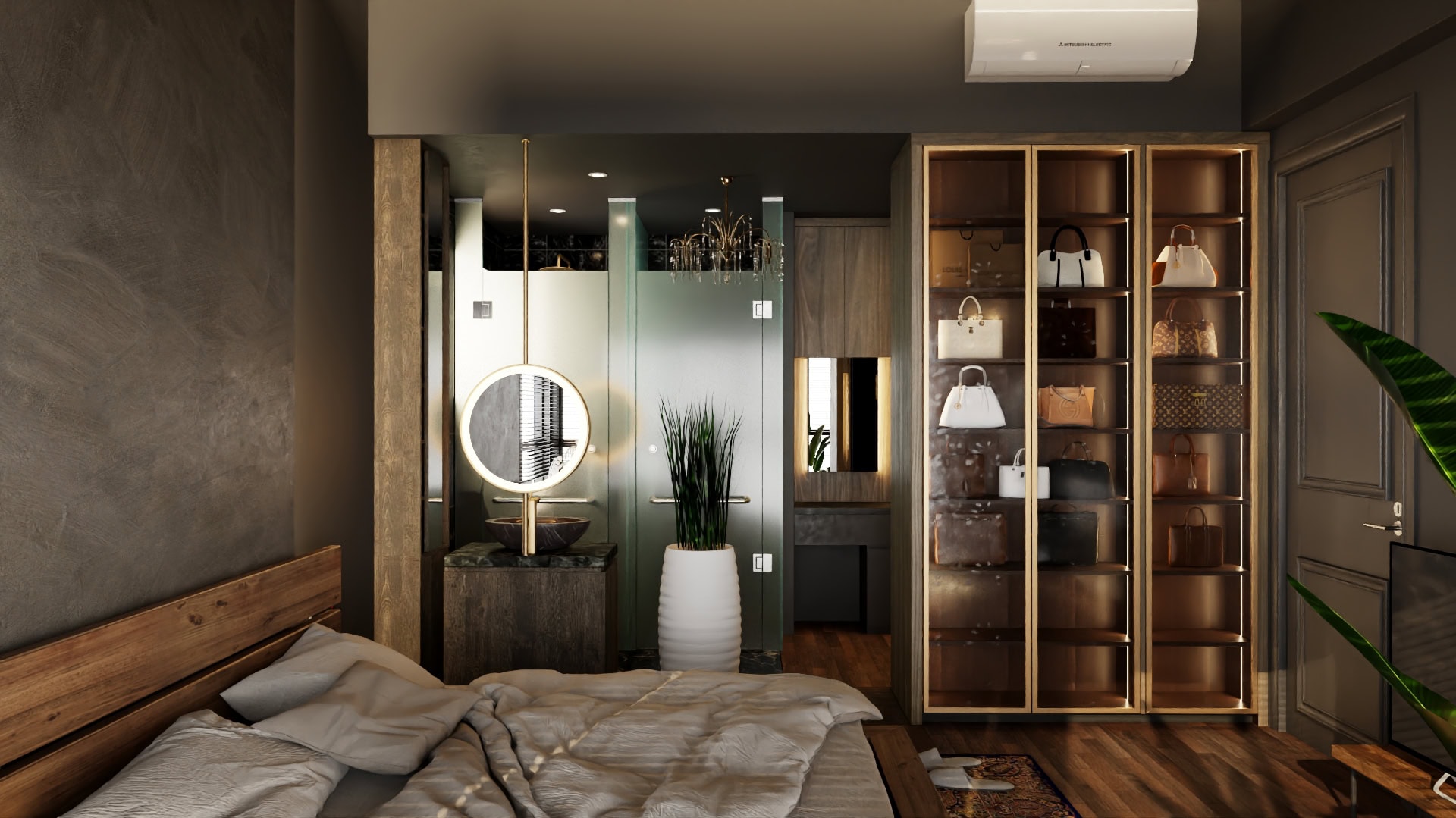
Permit approvals
HDB renovation permits must be submitted and approved before any work starts. This process should not be left until the last minute.
Site protection planning
Lift protection and coverings for common areas are usually required. These arrangements help avoid disputes with neighbours or town councils.
Confirming renovation schedule
A clear schedule helps set expectations once work begins and reduces friction during the renovation phase.
Homeowners should also plan temporary living arrangements if needed. Full renovations often make the unit uncomfortable or unsafe to stay in, especially during hacking and heavy works.
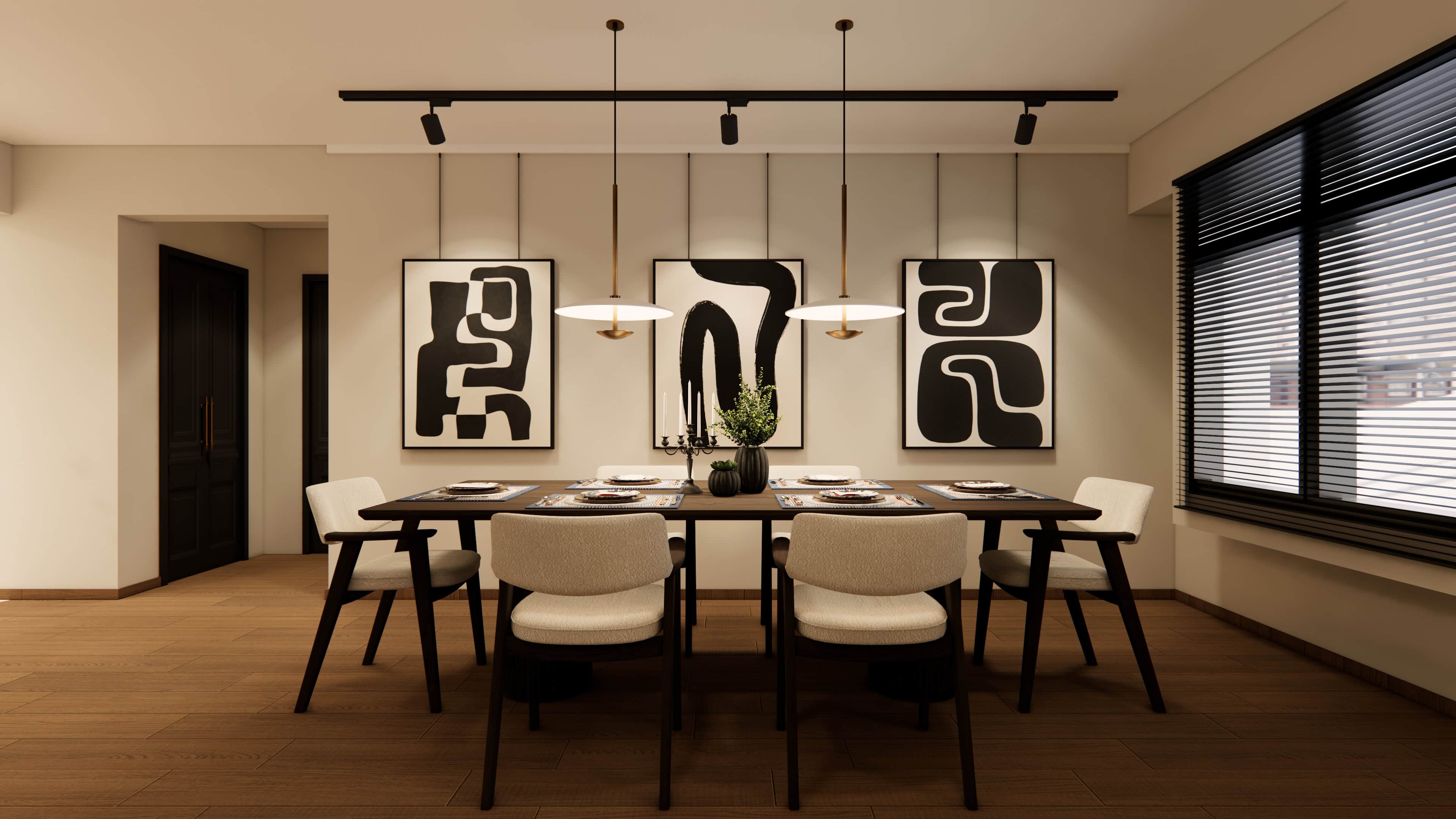
A typical HDB renovation in Singapore takes around 8 to 12 weeks, depending on the scope.
Multiple trades will be involved, and works usually follow a specific sequence. Delays in one stage can affect the next.
.jpg)
Staged works
Hacking and services are usually done first, followed by carpentry and finishing. Each stage depends on the previous one being completed properly.
Regular site checks
Whether you do this personally or through your ID, regular check-ins help ensure work follows approved plans and meets quality expectations.
Clear issue resolution
Problems should be addressed early. Small misunderstandings can quickly turn into costly rework if left unresolved.
Even with good planning, flexibility is important. Minor delays are common in Singapore renovations due to material lead times or unexpected site conditions.
Once renovation works are completed, resist the urge to rush into moving in.
This final stage is your chance to ensure everything has been done properly before closing the project.
Defect inspection
Check carpentry alignment, tile finishes, paintwork, and fittings carefully.
Functional testing
Test electrical points, lighting, plumbing, and appliances to make sure everything works as expected.
Rectification before final payment
Make sure the agreed-upon defects are fixed before releasing the final payment.
A proper handover gives peace of mind and helps avoid problems after you move in.
Homeowners who begin planning early tend to have better experiences overall.
Starting early gives you more room to compare options, more flexibility in design decisions, and fewer rushed choices under pressure. The entire renovation process also feels more manageable.
In Singapore’s fast-moving renovation landscape, time is one of your biggest advantages.
Renovating a home in Singapore isn’t something you figure out overnight. Whether you’re moving into a newly collected BTO or refreshing a resale flat, proper planning can be the difference between a smooth renovation and months of stress.
Understanding the renovation timeline in Singapore helps homeowners set realistic expectations, manage budgets, and avoid last-minute panic.
This is the stage where ideas start forming, but nothing needs to be locked in yet.
Before reaching out to any interior designer or contractor, homeowners should spend time thinking about how the home will actually be used. This goes beyond looks. Daily habits, storage needs, future plans, and the limits of the space all matter more than trends at this point.
Lifestyle needs
Consider how you live today and how that might change. If you work from home, entertain often, or cook frequently, these habits should shape the layout from the start. Planning around real routines helps avoid regrets later.
Interior style direction
Browse inspiration platforms and look at real HDB homes to see what you are drawn to. You do not need a fixed style yet. Having a general direction helps designers understand your taste and prevents mixed ideas later.
Budget comfort zone
Set a realistic budget range early, including a buffer. This helps avoid designs that look good on paper but are not financially practical. A clear budget also makes early discussions more productive.
For BTO owners, this phase often starts before key collection. For resale homeowners, it usually begins after securing the Option to Purchase. Creating a simple mood board and listing must-have features at this stage makes the rest of the process smoother.
Once you have a clearer sense of direction, it is time to start speaking to professionals.
There is no need to rush into signing anything yet. This phase is about understanding the market and seeing who actually listens to your needs.
Speak to a few interior designers or contractors and pay attention to how they explain things. Beyond design and pricing, working style and communication matter more than many homeowners expect.
Portfolio relevance
Look at completed projects that are similar to your flat type and budget. This gives a realistic idea of what is achievable, instead of being distracted by show-flat designs that may not apply to your home.
Track record and credibility
Check that IDs and contractors are properly registered. Reviews from past homeowners are often more useful than a cheap quote. Saving money up front rarely feels worth it if problems arise later.
Early discussions and rough estimates
At this point, expect broad layouts and ballpark figures, not polished visuals. These conversations help align expectations before details are finalised.
If you are unsure where to begin or do not want to cold-message multiple IDs, EZiD.sg can help match you with designers based on your budget, flat type, and style preferences.
This is where planning turns into commitment.
Design concepts should now be refined into layouts that actually work. Homeowners should feel confident that the design fits both their needs and their budget before moving forward.
Locking in layouts and visuals
Final layouts should be reviewed carefully. This is the best time to spot awkward spaces, missing storage, or areas that may not function well day to day.
Confirming materials and finishes
Tiles, carpentry finishes, countertops, and fittings should be confirmed early. Late changes often lead to delays or additional costs.
Reviewing renovation quotes in detail
Go through the quotation line by line. Understand what is fixed, what is excluded, and which items are still estimates. This step is critical in avoiding hidden costs later.
It is also wise to set aside contingency funds at this stage. In resale flats especially, issues like uneven floors or old wiring may only surface once work begins.
As renovation approaches, administrative and logistical details become more important.
Most permit applications and coordination are handled by the renovation team, but homeowners should stay involved and ask questions where needed.
Permit approvals
HDB renovation permits must be submitted and approved before any work starts. This process should not be left until the last minute.
Site protection planning
Lift protection and coverings for common areas are usually required. These arrangements help avoid disputes with neighbours or town councils.
Confirming renovation schedule
A clear schedule helps set expectations once work begins and reduces friction during the renovation phase.
Homeowners should also plan temporary living arrangements if needed. Full renovations often make the unit uncomfortable or unsafe to stay in, especially during hacking and heavy works.
A typical HDB renovation in Singapore takes around 8 to 12 weeks, depending on the scope.
Multiple trades will be involved, and works usually follow a specific sequence. Delays in one stage can affect the next.
Staged works
Hacking and services are usually done first, followed by carpentry and finishing. Each stage depends on the previous one being completed properly.
Regular site checks
Whether you do this personally or through your ID, regular check-ins help ensure work follows approved plans and meets quality expectations.
Clear issue resolution
Problems should be addressed early. Small misunderstandings can quickly turn into costly rework if left unresolved.
Even with good planning, flexibility is important. Minor delays are common in Singapore renovations due to material lead times or unexpected site conditions.
Once renovation works are completed, resist the urge to rush into moving in.
This final stage is your chance to ensure everything has been done properly before closing the project.
Defect inspection
Check carpentry alignment, tile finishes, paintwork, and fittings carefully.
Functional testing
Test electrical points, lighting, plumbing, and appliances to make sure everything works as expected.
Rectification before final payment
Make sure the agreed-upon defects are fixed before releasing the final payment.
A proper handover gives peace of mind and helps avoid problems after you move in.
Homeowners who begin planning early tend to have better experiences overall.
Starting early gives you more room to compare options, more flexibility in design decisions, and fewer rushed choices under pressure. The entire renovation process also feels more manageable.
In Singapore’s fast-moving renovation landscape, time is one of your biggest advantages.
Find your perfect interior designer by filling out this form!
Connect Now


