





.jpg)

.png)
.png)

.png)


.png)

.png)

.jpg)

.jpg)
.png)
.jpeg)


.jpg)
.jpg)


When planning a renovation in Singapore, one of the first questions homeowners ask is whether to hire an interior designer or work directly with contractors. The common assumption is simple. If you cut out the middleman, the renovation should cost less.
In reality, the answer is more nuanced. What looks cheaper on paper does not always turn out to be more affordable once the renovation is completed. Unexpected costs, delays, and rework can quickly change the final number.
This guide breaks down the real cost differences between hiring an interior designer and working directly with contractors, allowing you to make an informed decision based on your budget, renovation complexity, and personal preferences.
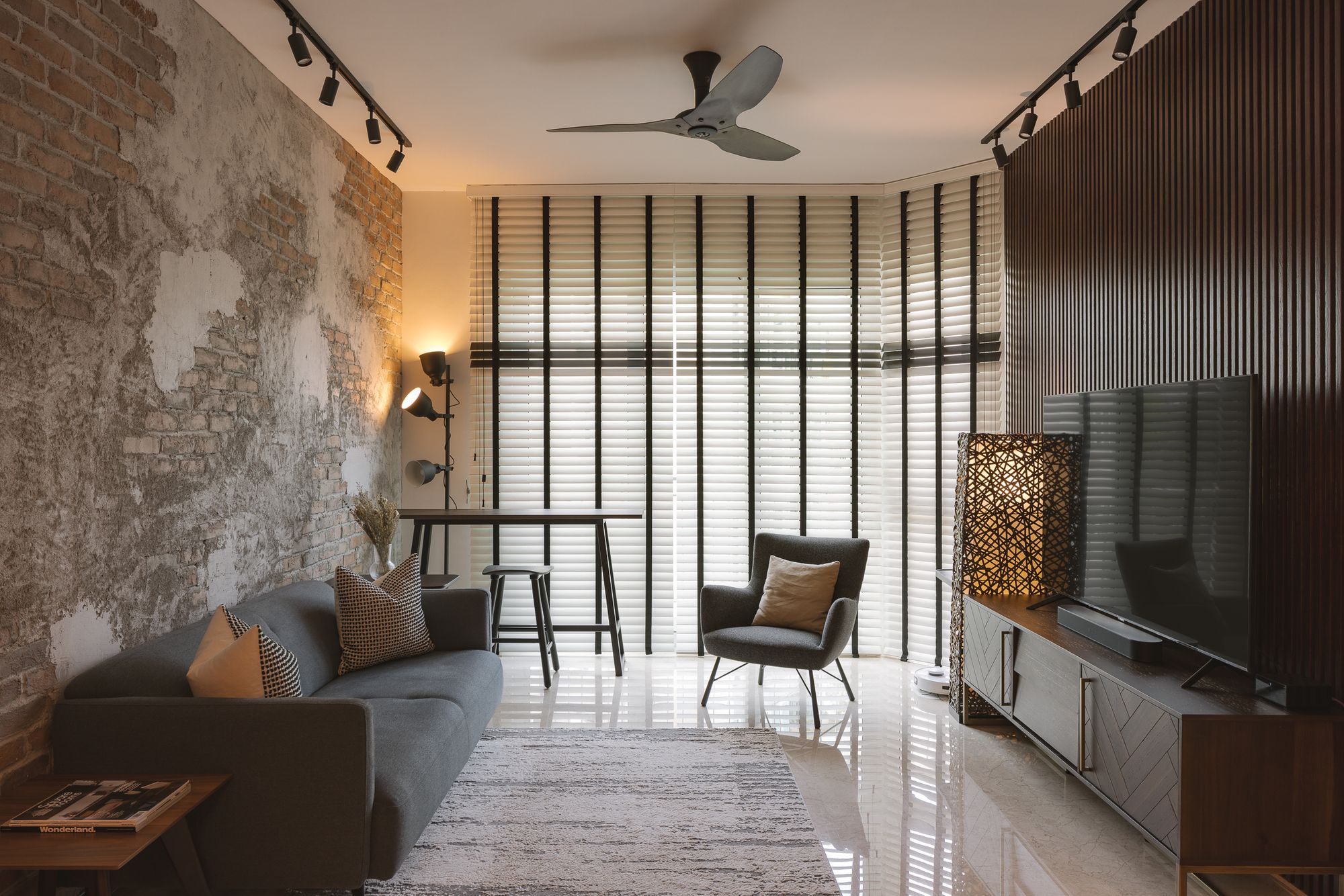
An interior designer does much more than design how your home looks. In a typical Singapore renovation, an ID acts as both a designer and a project coordinator.
IDs usually start by planning layouts that maximise space and functionality. They also coordinate different trades, manage timelines, and act as the main point of contact throughout the renovation.
On-site supervision is another key role. IDs check workmanship, ensure works follow approved plans, and step in when problems arise. When issues occur, they usually resolve them within the project scope rather than pushing the responsibility back to the homeowner.
Many homeowners notice that quotes involving an interior designer are higher upfront. This is largely because ID pricing bundles multiple services together.
Interior designers typically earn through design fees, which may be charged separately or bundled into the overall quote. They may also apply mark-ups on materials or subcontracted works.
These costs cover coordination effort, time spent managing the renovation, and the risk they absorb when things go wrong. While this raises the initial quote, it often reduces surprises later.

When you work directly with contractors, your role changes significantly. Instead of dealing with one main point of contact, you become the coordinator.
Homeowners working this way usually engage multiple trades separately, such as carpenters, electricians, plumbers, tilers, and painters. Each contractor focuses only on their own scope of work.
This route removes design and project management fees, which is why many homeowners believe it is the cheaper option. However, the homeowner now takes on the responsibility of scheduling, coordination, and problem-solving.

Direct contractors usually provide lower initial quotes because you are paying mainly for labour and materials. Design work, supervision, and coordination are not included.
Interior designer quotes often appear higher upfront because they factor in design planning, coordination across trades, and a buffer for managing issues. At this stage, working directly with contractors almost always looks cheaper.
This is where many homeowners underestimate the difference between the two routes.
When issues arise, they are often identified early. Trades are coordinated to avoid clashes, and mistakes are usually rectified within the agreed scope. This helps keep costs more predictable.
Miscommunication between trades is more common, especially when schedules overlap. If rework is required, costs often fall on the homeowner. Delays can also increase labour charges, particularly if contractors need to return multiple times.
Over the course of a renovation, these small issues can add up significantly.
Renovation Supervision vs Design Service: The Real Difference
One of the biggest cost drivers in renovation is not design, but supervision.
Interior designers act as project managers. They chase schedules, coordinate trades, inspect workmanship, and manage disputes when things go wrong.
Direct contractors focus only on their assigned tasks. Unless the homeowner actively supervises the entire process, no one is overseeing how all parts of the renovation come together.
For homeowners without renovation experience, this supervision gap can become expensive.

Pros
Hiring an ID reduces the risk of costly mistakes and delays. Homeowners spend less time managing the renovation and have a clearer point of accountability.
Cons
The upfront cost is higher, and there may be less flexibility to swap suppliers once the project starts.
Pros
Working directly with contractors can offer upfront cost savings and more control over supplier selection.
Cons
The coordination effort is high. Homeowners bear the responsibility for disputes, rework, and scheduling issues, which can increase overall costs if problems arise.
This depends on three key factors.
Your Renovation Experience
If this is your first renovation, mistakes are more likely. An interior designer can help prevent costly errors and poor decisions.
Complexity of Your Renovation
The more trades involved, the harder it is to coordinate without experience. Complex renovations benefit more from professional supervision.
How Payments Are Managed
Uncontrolled payment schedules often lead to disputes and cost overruns. Releasing money too early reduces leverage when issues arise.
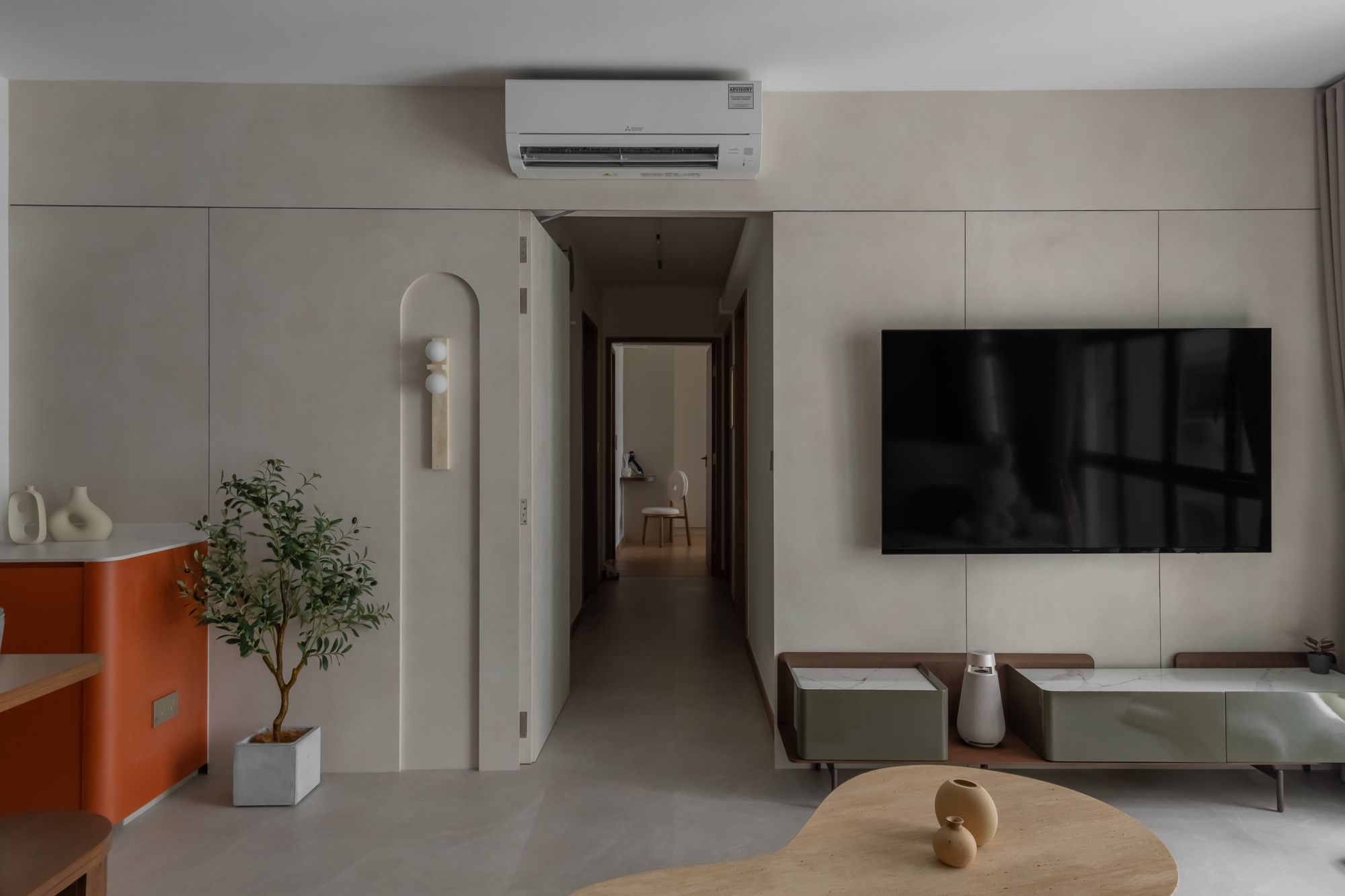
Hiring a direct contractor can be cheaper on paper, but only if everything runs smoothly. Hiring an interior designer costs more upfront, but often reduces stress, risk, and costly mistakes.
The renovation route that truly saves you money is the one that prevents delays, rework, and disputes. Understanding your role, your limits, and how much responsibility you are willing to take on matters more than chasing the lowest quote.
If you are unsure which route suits your renovation scope, speaking to multiple professionals before committing can provide clarity.
We offer a free renovation consultation so you can better understand pricing structures, coordination responsibilities, and realistic cost expectations. As a renovation platform, we match you with vetted interior designers so you can compare options properly before committing.
When planning a renovation in Singapore, one of the first questions homeowners ask is whether to hire an interior designer or work directly with contractors. The common assumption is simple. If you cut out the middleman, the renovation should cost less.
In reality, the answer is more nuanced. What looks cheaper on paper does not always turn out to be more affordable once the renovation is completed. Unexpected costs, delays, and rework can quickly change the final number.
This guide breaks down the real cost differences between hiring an interior designer and working directly with contractors, allowing you to make an informed decision based on your budget, renovation complexity, and personal preferences.
An interior designer does much more than design how your home looks. In a typical Singapore renovation, an ID acts as both a designer and a project coordinator.
IDs usually start by planning layouts that maximise space and functionality. They also coordinate different trades, manage timelines, and act as the main point of contact throughout the renovation.
On-site supervision is another key role. IDs check workmanship, ensure works follow approved plans, and step in when problems arise. When issues occur, they usually resolve them within the project scope rather than pushing the responsibility back to the homeowner.
Many homeowners notice that quotes involving an interior designer are higher upfront. This is largely because ID pricing bundles multiple services together.
Interior designers typically earn through design fees, which may be charged separately or bundled into the overall quote. They may also apply mark-ups on materials or subcontracted works.
These costs cover coordination effort, time spent managing the renovation, and the risk they absorb when things go wrong. While this raises the initial quote, it often reduces surprises later.
When you work directly with contractors, your role changes significantly. Instead of dealing with one main point of contact, you become the coordinator.
Homeowners working this way usually engage multiple trades separately, such as carpenters, electricians, plumbers, tilers, and painters. Each contractor focuses only on their own scope of work.
This route removes design and project management fees, which is why many homeowners believe it is the cheaper option. However, the homeowner now takes on the responsibility of scheduling, coordination, and problem-solving.
Direct contractors usually provide lower initial quotes because you are paying mainly for labour and materials. Design work, supervision, and coordination are not included.
Interior designer quotes often appear higher upfront because they factor in design planning, coordination across trades, and a buffer for managing issues. At this stage, working directly with contractors almost always looks cheaper.
This is where many homeowners underestimate the difference between the two routes.
When issues arise, they are often identified early. Trades are coordinated to avoid clashes, and mistakes are usually rectified within the agreed scope. This helps keep costs more predictable.
Miscommunication between trades is more common, especially when schedules overlap. If rework is required, costs often fall on the homeowner. Delays can also increase labour charges, particularly if contractors need to return multiple times.
Over the course of a renovation, these small issues can add up significantly.
Renovation Supervision vs Design Service: The Real Difference
One of the biggest cost drivers in renovation is not design, but supervision.
Interior designers act as project managers. They chase schedules, coordinate trades, inspect workmanship, and manage disputes when things go wrong.
Direct contractors focus only on their assigned tasks. Unless the homeowner actively supervises the entire process, no one is overseeing how all parts of the renovation come together.
For homeowners without renovation experience, this supervision gap can become expensive.
Pros
Hiring an ID reduces the risk of costly mistakes and delays. Homeowners spend less time managing the renovation and have a clearer point of accountability.
Cons
The upfront cost is higher, and there may be less flexibility to swap suppliers once the project starts.
Pros
Working directly with contractors can offer upfront cost savings and more control over supplier selection.
Cons
The coordination effort is high. Homeowners bear the responsibility for disputes, rework, and scheduling issues, which can increase overall costs if problems arise.
This depends on three key factors.
Your Renovation Experience
If this is your first renovation, mistakes are more likely. An interior designer can help prevent costly errors and poor decisions.
Complexity of Your Renovation
The more trades involved, the harder it is to coordinate without experience. Complex renovations benefit more from professional supervision.
How Payments Are Managed
Uncontrolled payment schedules often lead to disputes and cost overruns. Releasing money too early reduces leverage when issues arise.
Hiring a direct contractor can be cheaper on paper, but only if everything runs smoothly. Hiring an interior designer costs more upfront, but often reduces stress, risk, and costly mistakes.
The renovation route that truly saves you money is the one that prevents delays, rework, and disputes. Understanding your role, your limits, and how much responsibility you are willing to take on matters more than chasing the lowest quote.
If you are unsure which route suits your renovation scope, speaking to multiple professionals before committing can provide clarity.
We offer a free renovation consultation so you can better understand pricing structures, coordination responsibilities, and realistic cost expectations. As a renovation platform, we match you with vetted interior designers so you can compare options properly before committing.
Find your perfect interior designer by filling out this form!
Connect Now


